

There’s something quietly magnetic about indie games that dare to be different. In the first few minutes of researching gregory legere theserpentrogue, you can feel that pull—the sense that this isn’t just another game, but a personal vision brought to life.
So why does this topic matter? Because behind every cult indie hit is a creator who took risks most studios avoid. And in the case of gregory legere theserpentrogue, those risks shaped a game that still sparks debate, admiration, and curiosity years after release.
This guide breaks down everything—who Gregory LeGere is, what The Serpent Rogue really offers, how players feel about it, and whether its long-term impact matches its ambition.
Quick Summary: Gregory LeGere & The Serpent Rogue at a Glance
| Detail | Information |
|---|---|
| Name | Gregory LeGere |
| Category | Indie Game Developer |
| Notable Work | The Serpent Rogue |
| Genre | Action-Adventure, Alchemy, Roguelike |
| Core Feature | Deep experimental alchemy system |
| Estimated Price | ~$19.99 (varies by platform) |
| Average Rating | 6.5–7.5 / 10 |
| Platforms | PC, PlayStation, Xbox, Nintendo Switch |
| Strengths | Atmosphere, originality, systems depth |
| Weaknesses | Steep learning curve, limited guidance |
This snapshot helps frame why gregory legere theserpentrogue continues to be discussed long after launch.
Who Is Gregory LeGere?
Gregory LeGere is best described as a systems-first creator. Rather than chasing trends, his work leans into experimentation—sometimes at the cost of mainstream appeal.
Before gregory legere theserpentrogue became a recognizable search term among indie fans, LeGere spent years refining ideas around player-driven discovery. He’s known for valuing:
- Emergent gameplay
- Minimal hand-holding
- Learning through failure
That philosophy defines The Serpent Rogue in both good and frustrating ways.
Creative Philosophy
LeGere’s approach mirrors old-school game design:
- Players are expected to experiment
- Mistakes are part of progress
- Systems matter more than spectacle
In reality, this design mindset isn’t for everyone. But it explains why gregory legere theserpentrogue feels so different from polished AAA titles.
What Is The Serpent Rogue?
The Serpent Rogue is a dark fantasy action-adventure game built around alchemy, exploration, and consequence-based systems.
At its core, the game asks a simple question:
What happens when you give players powerful tools—and almost no instructions?
That question sits at the heart of gregory legere theserpentrogue as both a project and a philosophy.
Core Gameplay Mechanics Explained
Alchemy System (The Heart of the Game)
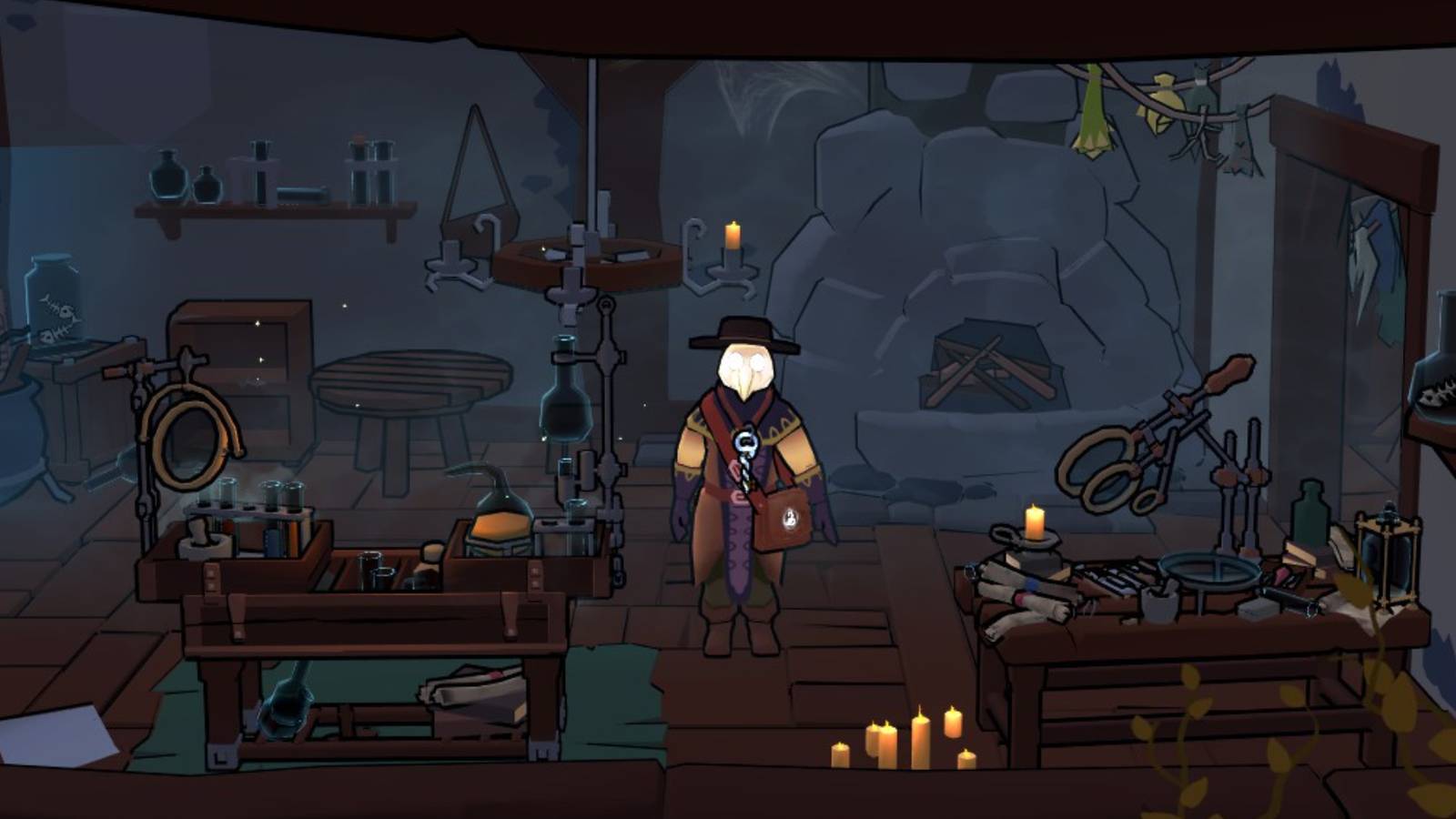
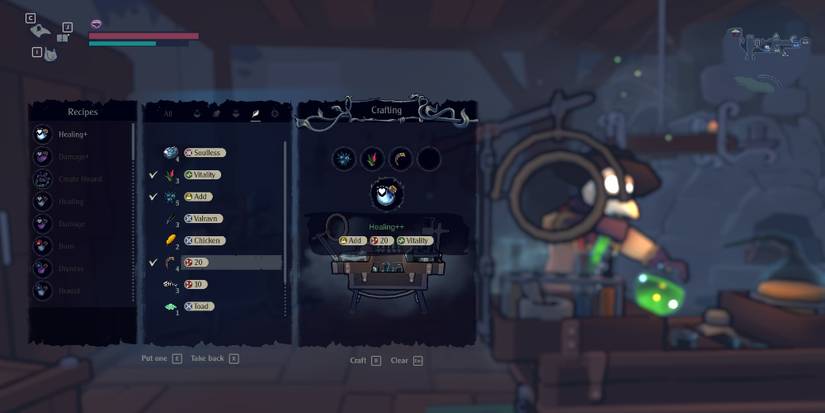
The alchemy system is where gregory legere theserpentrogue truly shines.
Players gather ingredients like:
- Herbs
- Monster parts
- Minerals
- Essences
These are combined experimentally, producing potions with unpredictable effects.
Examples of potion outcomes:
- Temporary invisibility
- Poison immunity
- Self-inflicted curses
- Summoned creatures
However, there’s a catch: experimentation often comes with consequences. Drink the wrong brew, and you might mutate, weaken yourself, or die outright.
That tension is intentional—and very on-brand for gregory legere theserpentrogue.
Exploration & World Design
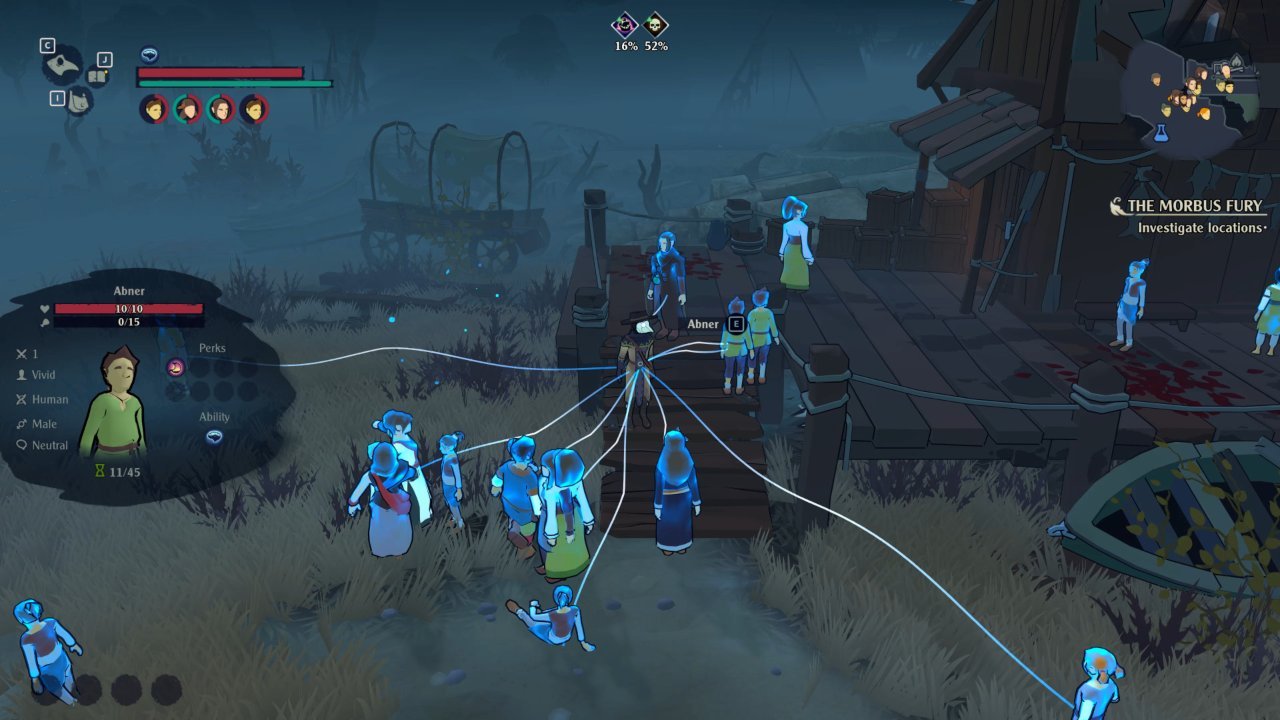
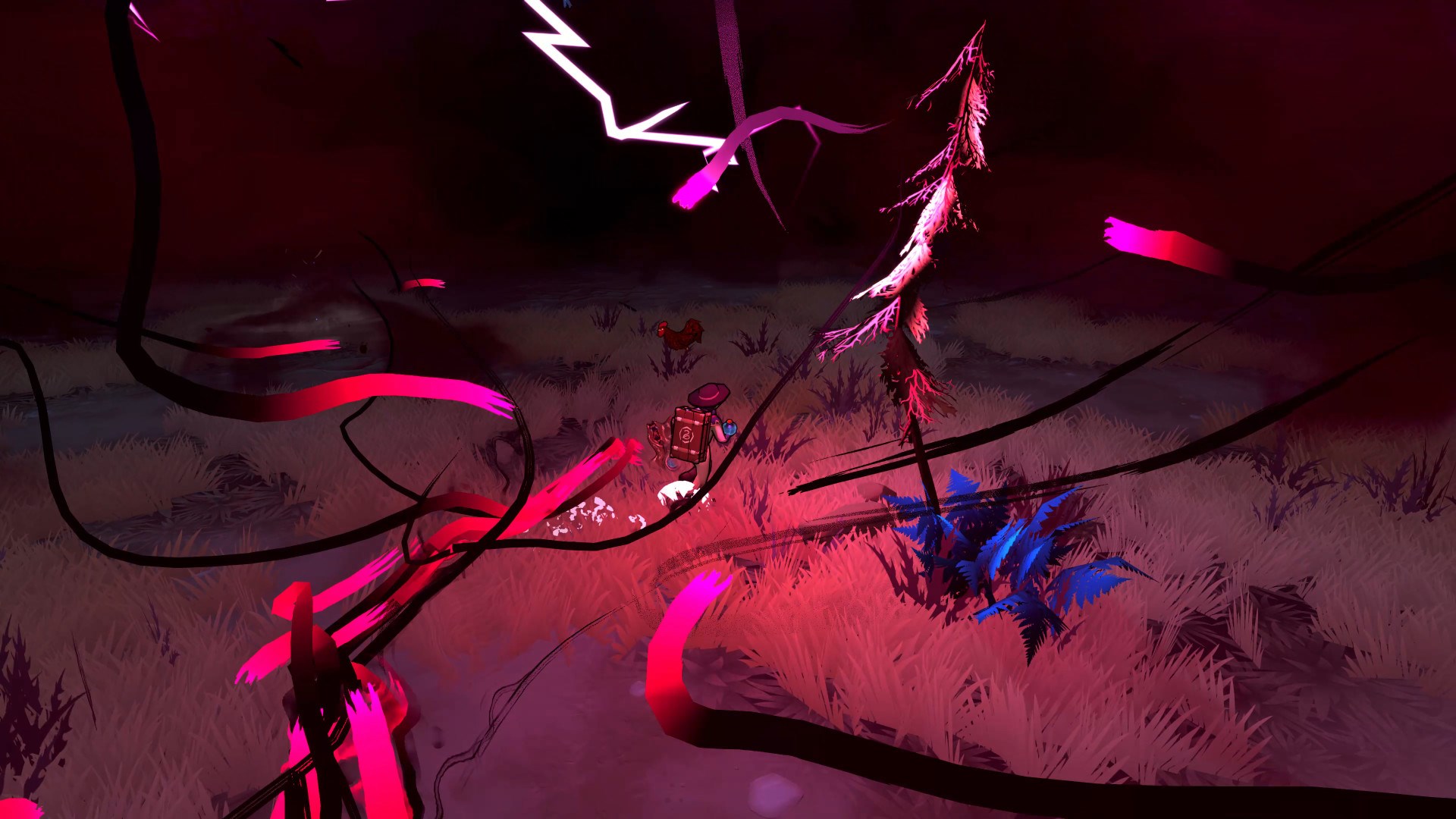
The world is semi-open and constantly evolving. Enemies respawn. Corruption spreads. Time moves whether you’re ready or not.
Key exploration features include:
- Environmental decay
- Day/night cycles
- Limited fast travel
- Risk-based progression
On the other hand, some players find the pacing punishing. Still, this sense of unease is part of the identity behind gregory legere theserpentrogue.
Combat & Difficulty Curve
Combat is serviceable, not flashy. Weapons degrade, positioning matters, and preparation often outweighs reflexes.
This design choice reinforces the broader message of gregory legere theserpentrogue:
Knowledge is power—not brute force.
Why The Serpent Rogue Stands Out in Indie Gaming
There are thousands of indie games released each year. Few leave a lasting impression.
What sets gregory legere theserpentrogue apart is its commitment to:
- Player agency
- System-driven outcomes
- Meaningful failure
That said, this also explains why opinions are split.
Player Reviews & Community Feedback
Positive User Experiences
Many fans describe their first successful alchemy chain as genuinely thrilling.
“Once it clicks, it really clicks. I felt smarter every hour I played.”
Others praise the atmosphere:
“The world feels hostile, lonely, and strange—in a good way.”
For these players, gregory legere theserpentrogue feels rewarding precisely because it doesn’t coddle them.
Critical & Mixed Reviews
Not all feedback is glowing.
Common complaints include:
- Poor onboarding
- Limited tutorials
- Repetitive enemy encounters
- Vague progression goals
One frustrated player wrote:
“I wanted to love it, but I spent more time confused than curious.”
This divide defines the reputation of gregory legere theserpentrogue in online discussions.
Pros and Cons From a Player Perspective
Pros
- Deep alchemy experimentation
- Strong atmosphere and tone
- High replay potential
- Unique indie identity
Cons
- Steep learning curve
- Minimal guidance
- Can feel punishing early on
- Not beginner-friendly
In short, gregory legere theserpentrogue rewards patience—but demands it too.
Gregory LeGere’s Career Journey
LeGere didn’t emerge from a massive studio pipeline. His path reflects many indie creators:
- Early experimentation with mechanics
- Small-scale prototypes
- Gradual refinement into a full title
The release of The Serpent Rogue marked his biggest leap. And while commercial success was modest, the creative statement was loud.
For many aspiring developers, gregory legere theserpentrogue serves as proof that vision still matters in indie gaming.
Financial Insights & Estimated Net Worth
Gregory LeGere maintains a low public profile, so precise financial data isn’t available.
However, based on:
- Game sales
- Platform pricing
- Indie publishing norms
Industry estimates suggest a modest six-figure revenue range before expenses. This aligns with many single-title indie developers.
In other words, gregory legere theserpentrogue was more about creative fulfillment than financial windfall.
Long-Term Impact on Indie Game Design
While not a breakout hit, The Serpent Rogue influenced discussions around:
- System-driven gameplay
- Player-led discovery
- Risk-heavy design
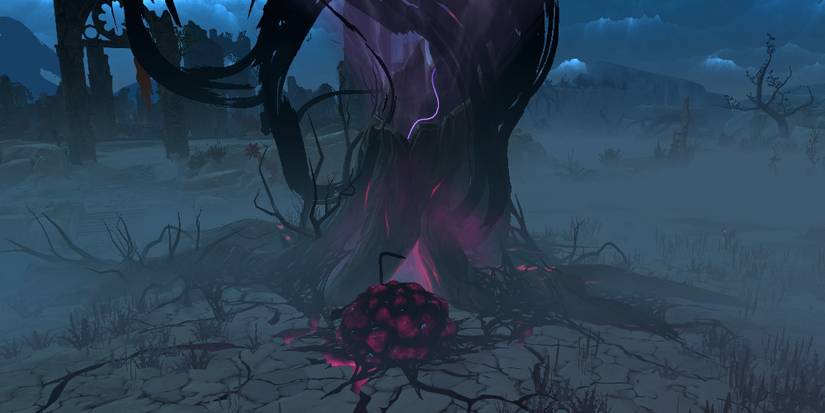
You can see echoes of gregory legere theserpentrogue in newer experimental indie titles that trust players to figure things out.
Is The Serpent Rogue Worth Playing Today?
That depends on you.
If you enjoy:
- Learning through failure
- Slow mastery
- Dark, moody worlds
Then gregory legere theserpentrogue still holds value.
However, if you prefer clear objectives and constant rewards, it may feel frustrating rather than fun.
Common Misconceptions About The Game
“It’s Broken”
Not true. Most issues stem from unclear systems—not bugs.
“It’s Too Random”
While outcomes feel chaotic early on, patterns emerge over time. That learning curve is central to gregory legere theserpentrogue.
Tips for New Players
If you’re just starting:
- Keep notes on potion outcomes
- Experiment safely near checkpoints
- Don’t rush progression
- Accept early failure
These habits dramatically improve the experience of gregory legere theserpentrogue.
FAQs About Gregory LeGere & The Serpent Rogue
Who created The Serpent Rogue?
Gregory LeGere is the creator and lead designer behind the game.
Is The Serpent Rogue a roguelike?
It has roguelike elements, but it’s more accurately a systems-driven action-adventure.
Why is the alchemy system so complex?
The complexity reflects Gregory LeGere’s philosophy of discovery-based learning.
Is the game beginner-friendly?
Not particularly. It’s designed for patient, curious players.
How long does it take to beat?
Most players finish in 12–20 hours, depending on experimentation.
Did The Serpent Rogue sell well?
Sales were modest but respectable for an indie title.
Is Gregory LeGere working on a new game?
As of now, no official announcements have been made.
Final Thoughts: The Legacy of Gregory LeGere TheSerpentRogue
At the end of the day, gregory legere theserpentrogue represents something rare in modern gaming—creative stubbornness. It refuses to over-explain, over-reward, or over-polish. Instead, it trusts players to meet it halfway.
That trust won’t resonate with everyone. But for those who stick with it, the experience feels earned, personal, and strangely intimate.
In a market flooded with safe designs, Gregory LeGere’s work stands as a reminder: games don’t need to please everyone to matter.