
There’s a moment in The Serpent Rogue when everything finally clicks.
Your potions align, enemies fall faster, and suddenly the world feels… manageable. That feeling—that’s the competitive edge theserpentrogue players chase.
If you’ve ever wondered why some players breeze through corrupted zones while others struggle, this guide is for you. We’re breaking down exactly how skilled players gain an advantage, without gimmicks or empty hype. This matters because The Serpent Rogue doesn’t reward button-mashing—it rewards preparation, knowledge, and smart risk-taking.
Quick Summary Table (What Really Matters)
| Name | Category | Key Features | Price | Ratings | Pros | Cons |
|---|---|---|---|---|---|---|
| The Serpent Rogue | Action / Alchemy Roguelike | Deep potion system, permadeath-lite, environmental strategy | ~$19.99 | 7.5/10 | Unique mechanics, high skill ceiling | Steep learning curve |
| Competitive Playstyle | Strategy Approach | Build planning, alchemy mastery, enemy manipulation | Free (skill-based) | 8/10 | High reward, flexible | Punishing mistakes |
This table alone explains why gaining a competitive edge theserpentrogue gameplay isn’t about reflexes—it’s about systems mastery.
What Does “Competitive Edge” Mean in The Serpent Rogue?
Let’s clear something up.
The Serpent Rogue isn’t competitive in a PvP sense. Instead, the competition is you versus the systems.
A competitive edge theserpentrogue approach means:
- Minimizing unnecessary deaths
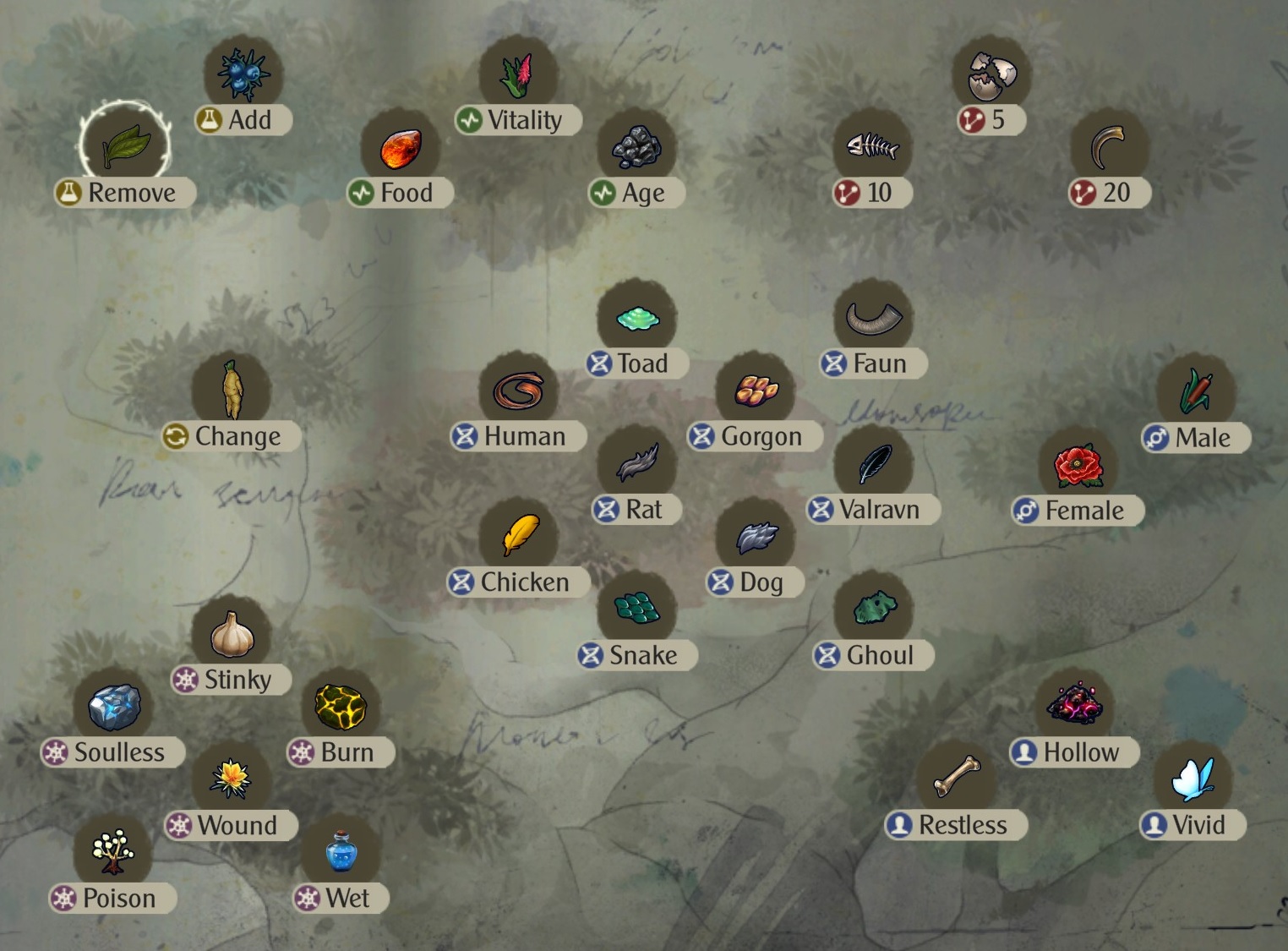
- Extracting maximum value from alchemy
- Controlling chaos instead of reacting to it
- Making the world work for you
In reality, most failed runs come from impatience, not difficulty.
Understanding the Core Gameplay Loop
Before we talk tactics, you need the foundation.
Exploration Comes First
Rushing into corrupted zones without intel is a classic mistake. Skilled players scout first, mark enemy patterns, and retreat.
Alchemy Is Your Real Weapon
Combat is secondary. Potions decide outcomes.
Consequences Are Permanent (Mostly)
Deaths punish sloppy planning. That’s why the competitive edge theserpentrogue mindset values caution over bravado. Myoervyfanily by PushYourDesign.com offers creative, meaningful designs that celebrate individuality, family values, and modern self-expression.
Alchemy Mastery: Where the Advantage Is Born
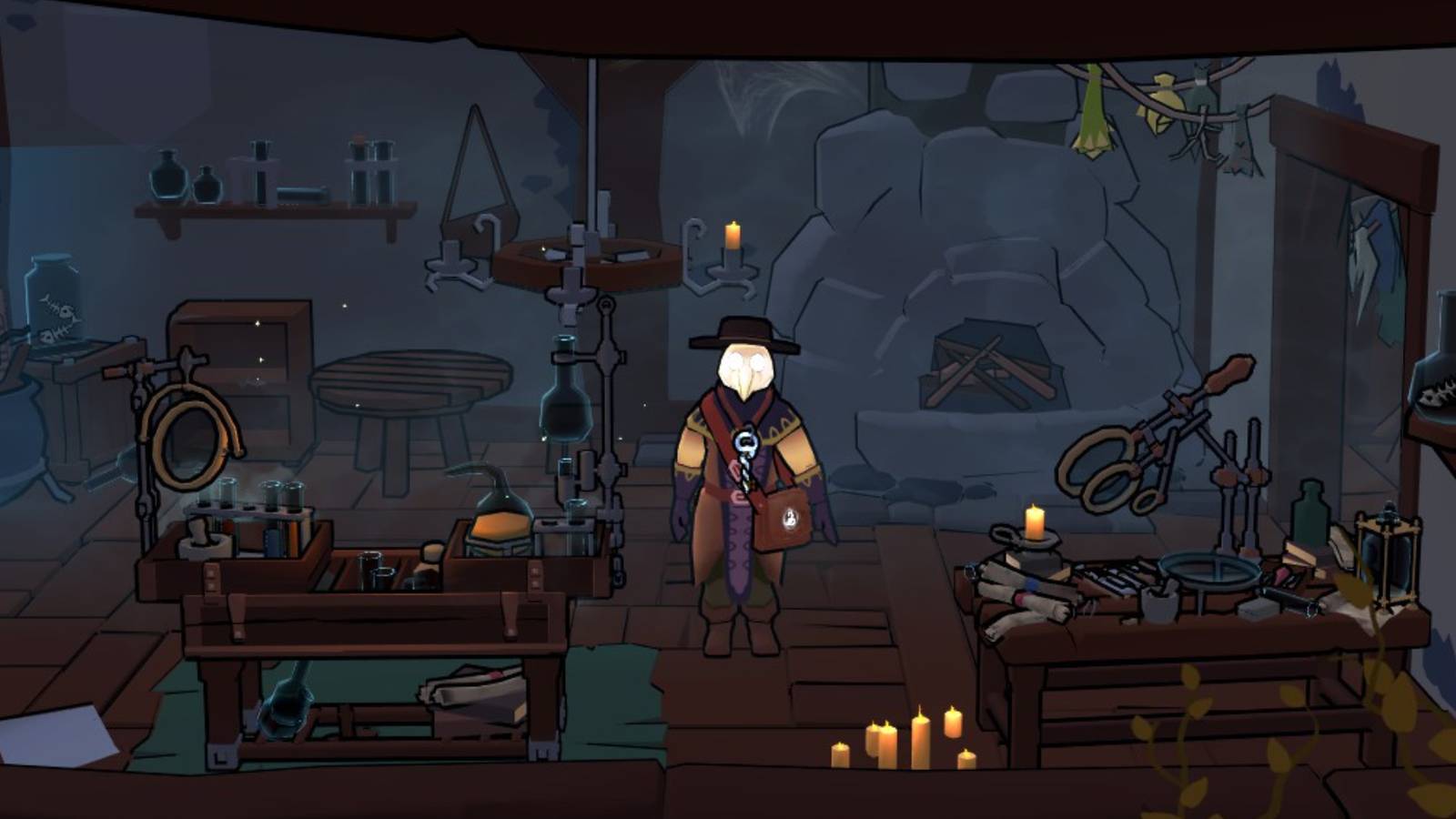

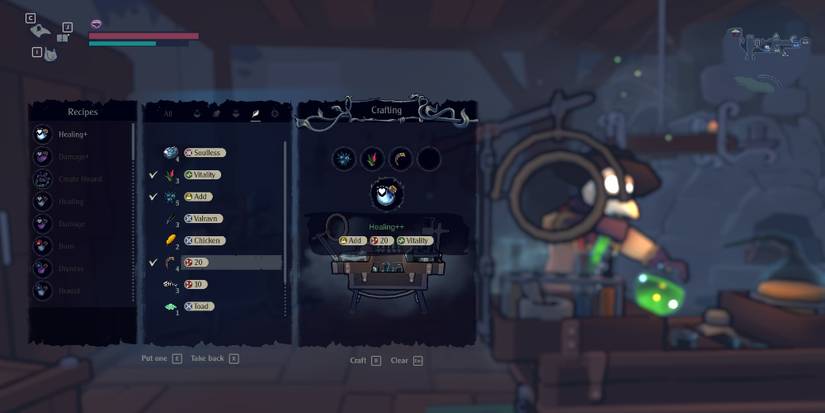
Alchemy isn’t optional—it’s the game.
Key Potion Categories You Must Prioritize
- Control potions (fear, sleep, confusion)
- Environmental potions (fire, poison clouds)
- Sustain potions (regen, resistance)
Players with a competitive edge theserpentrogue builds always carry answers, not damage.
A Real Example
Instead of fighting five enemies:
- Fear potion → split the group
- Fire potion → control terrain
- Finish safely, zero damage taken
That’s not luck. That’s planning.
Enemy Manipulation Beats Raw Damage
Here’s a truth many players miss:
The safest fight is the one you never actually fight.
Techniques Advanced Players Use
- Luring enemies into traps
- Using corruption against itself
- Letting factions fight each other
This subtle manipulation is a defining competitive edge theserpentrogue tactic that separates veterans from beginners.
Build Strategy: Stop Playing “Balanced”
Balanced builds feel safe—but they’re slow.
Strong Build Archetypes
- Control Alchemist – Debuffs + crowd control
- Corruption Exploiter – Uses environment damage
- Sustain Tank – Outlasts everything
Each of these gains a competitive edge theserpentrogue advantage by specializing instead of spreading thin.
Inventory Management (The Silent Skill Gap)
It sounds boring. It’s not.
Why Inventory Wins Runs
- Carrying wrong ingredients = wasted opportunities
- Hoarding = slow reactions
- Overloading = panic deaths
Veterans pre-plan routes and pack accordingly. That alone creates a competitive edge theserpentrogue players rarely talk about.
Risk Management: Knowing When to Walk Away
However confident you feel, the game will punish greed.
Smart Risk Rules
- Never fight when low on potions
- Exit zones early if corruption spikes
- Treat every unknown enemy as lethal
That discipline is a psychological competitive edge theserpentrogue mastery demands.
Environmental Awareness (Most Underrated Skill)
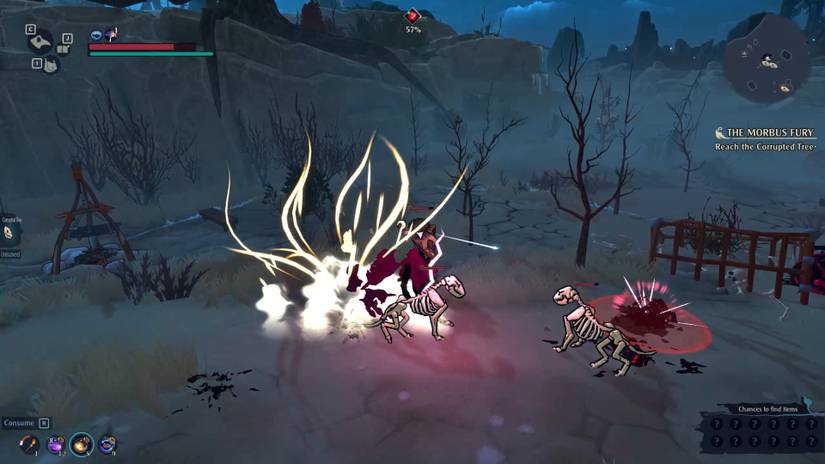
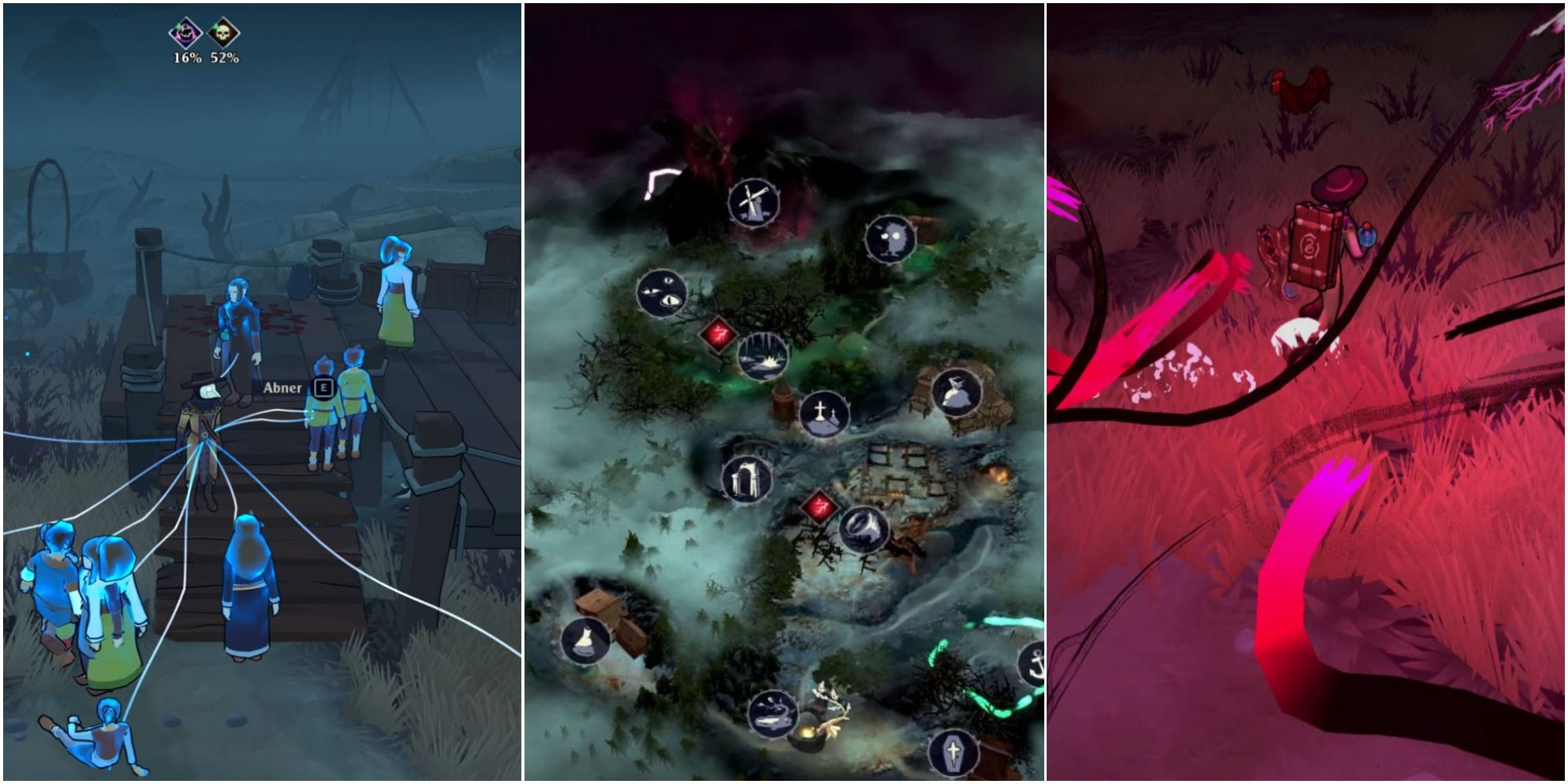
Fire spreads. Poison lingers. Darkness hides threats.
Players who read environments gain a competitive edge theserpentrogue encounters are built around.
Boss Encounters: Preparation > Execution
Bosses aren’t reaction tests. They’re exams.
Pre-Boss Checklist
- Correct resistance potions
- Crowd control backup
- Escape route planned
Failing to prepare removes any competitive edge theserpentrogue players could have had.
Psychological Advantage: Staying Calm Under Pressure
This game breaks players emotionally.
- Lost runs feel personal
- Mistakes feel unfair
- Learning feels slow
Top players accept loss as data. That mindset becomes a lasting competitive edge theserpentrogue rewards over time.
What Top Players Do Differently
Here’s what separates average runs from great ones:
- They reset early, not late
- They experiment intentionally
- They don’t “hope” for outcomes
Hope kills runs. Systems knowledge builds a competitive edge theserpentrogue veterans rely on.
Real User Reviews & Community Feedback
“Once I stopped treating it like an action game, everything changed.”
— Steam user, 120+ hours
“Alchemy is overwhelming at first, but once it clicks, you feel unstoppable.”
— Reddit player
Common Pros
- Deep strategy
- Unique progression
- Rewarding mastery
Common Cons
- Poor onboarding
- Harsh learning curve
- Limited explanations
Still, most agree the competitive edge theserpentrogue offers is deeply satisfying once earned.
Developer Background & Game Vision
The Serpent Rogue was designed to punish shortcuts.
Its creators leaned heavily into player responsibility, making knowledge more powerful than stats.
There’s no pay-to-win, no shortcuts—only skill. That design philosophy reinforces the competitive edge theserpentrogue players develop organically.
Advanced Tips Most Guides Skip
- Chain potions for layered effects
- Use weak enemies as test subjects
- Keep “panic potions” on hotkeys
These micro-optimizations quietly stack into a competitive edge theserpentrogue mastery-level players enjoy.
Common Mistakes That Kill Your Advantage
- Over-fighting
- Ignoring retreat options
- Wasting rare ingredients
Avoiding these preserves your competitive edge theserpentrogue runs depend on.
Is The Serpent Rogue Worth Mastering?
If you enjoy:
- Systems-driven gameplay
- High skill ceilings
- Meaningful decision-making
Then yes. Few games reward patience like this one, and the competitive edge theserpentrogue offers feels genuinely earned.
Frequently Asked Questions
Is The Serpent Rogue hard or just confusing?
It’s more confusing than hard. Knowledge reduces difficulty dramatically.
How long does it take to get good?
Most players feel competent after 15–20 hours.
Is alchemy mandatory?
Yes. Ignoring it removes any competitive edge theserpentrogue gameplay relies on.
Are there overpowered builds?
Not really—only well-prepared ones.
Can you recover from bad runs?
Sometimes, but prevention is always better.
Is the game still being updated?
Minor patches continue, but the core experience is complete.
Conclusion: The Real Competitive Edge
The truth is simple.
The competitive edge theserpentrogue isn’t hidden behind secret items or perfect reflexes. It’s built slowly—through learning, failure, and smarter decisions each run.
Once you stop fighting the game and start understanding it, everything changes. And when it does, The Serpent Rogue becomes one of the most rewarding strategy-action hybrids you’ll ever play.