
Introduction
The living room is where life unfolds in small, meaningful moments—late-night conversations, quiet mornings with coffee, family movie nights, and unexpected guests dropping by. It’s the one space in a home that has to do it all, which is why living room design matters more than most people realize.
When done well, it feels effortless. When it’s not, the room can feel awkward, cluttered, or strangely uncomfortable, even if you can’t quite explain why. The truth is, thoughtful design isn’t about trends alone; it’s about how the space supports your daily habits, emotions, and routines.
In reality, designing a living room is a blend of psychology, practicality, and personal taste. Whether you’re working with a compact apartment or a spacious family home, the right choices can transform how the room looks and, more importantly, how it feels to live in it.


Table of Contents
Understanding Living Room Design Fundamentals
Planning Your Living Room Layout
Choosing the Right Furniture
Color Psychology and Material Selection
Lighting Strategies That Change Everything
Designing for Small vs Large Living Rooms
Modern, Classic, and Timeless Living Room Styles
Common Living Room Design Mistakes to Avoid
Budget-Friendly Living Room Design Tips
FAQs About Living Room Design
Conclusion
Understanding Living Room Design Fundamentals
At its core, living room design is the art of creating balance. Balance between beauty and function, openness and coziness, individuality and harmony with the rest of the home.
A well-designed living room usually follows three foundational principles: flow, comfort, and visual cohesion. Flow refers to how people move through the space without obstacles. Comfort covers seating, lighting, and acoustics. Visual cohesion ties everything together through color, texture, and proportion.
However, many homeowners focus too heavily on how a living room looks in photos rather than how it performs in real life. That’s where frustration often begins.
What Makes a Living Room Truly Functional?
Functionality goes beyond fitting a sofa and a TV. It means the room adapts to your lifestyle. A family with children needs durability and storage. A professional working from home may need flexible seating and layered lighting. Someone who entertains frequently will prioritize conversation-friendly layouts.
In other words, the best living room design is always personal before it is stylish.
Planning Your Living Room Layout
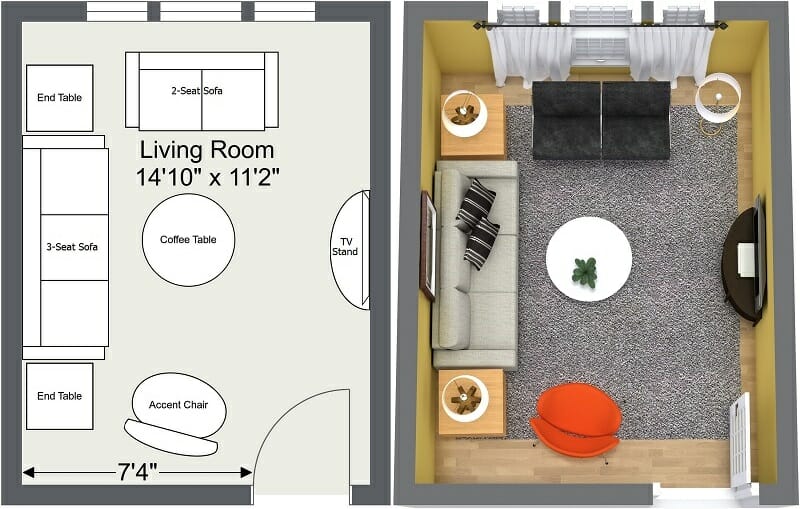
The layout sets the foundation for everything that follows. Get this wrong, and even expensive furniture won’t save the space.
Start by identifying the room’s natural focal point. This could be a window, fireplace, TV, or even a striking piece of art. Once you know the focal point, arrange seating to support it rather than compete with it.
Zoning for Comfort and Purpose
In larger living rooms, zoning is essential. You might create one area for conversation, another for reading, and a subtle corner for work or hobbies. Rugs, lighting, and furniture placement help define these zones without walls.
For smaller rooms, zoning still applies, just more subtly. A compact sofa paired with a slim console table can visually separate areas without crowding the space.


Choosing the Right Furniture
Furniture is where design intentions become physical reality. Size, scale, and proportion matter more than style alone.
Oversized sofas in small rooms overwhelm the space, while tiny furniture in large rooms can feel lost and underwhelming. The key is choosing pieces that match the room’s dimensions and your daily habits.
Seating That Encourages Connection
A common mistake is pushing all furniture against the walls. While it may seem logical, it often kills intimacy. Pulling seating slightly inward encourages conversation and makes the room feel more intentional.
Using strong living room design principles here means prioritizing comfort first, then style. If guests hesitate to sit down, something has gone wrong.
Storage Without Clutter
Smart storage keeps a living room calm. Ottomans with hidden storage, media units with closed cabinets, and floating shelves reduce visual noise while keeping essentials accessible.
Color Psychology and Material Selection
Color has a profound psychological effect, especially in a space where people spend so much time. Neutral palettes create calm, while bold accents add personality and energy.
Warm tones such as beige, terracotta, and soft browns promote relaxation. Cooler tones like greys and blues feel modern but may need warm textures to avoid feeling sterile.
Mixing Textures for Depth
Texture is what makes a room feel layered and lived-in. Think soft fabrics, natural wood, stone, metal accents, and subtle patterns. Even a neutral room can feel rich if the textures are varied.
Using <strong>living room design</strong> principles here means thinking beyond paint and considering how every surface contributes to the overall mood.


Lighting Strategies That Change Everything
Lighting is often underestimated, yet it has the power to transform a space instantly. A single ceiling light is rarely enough.
Layered lighting is the gold standard. Combine ambient lighting for overall brightness, task lighting for activities like reading, and accent lighting to highlight architectural features or decor.
Natural Light as a Design Tool
Natural light should always be maximized. Sheer curtains, strategically placed mirrors, and lighter wall colors help bounce light around the room, making it feel larger and more inviting.
In reality, thoughtful lighting is one of the most affordable upgrades in any living room design project.
Designing for Small vs Large Living Rooms
No two living rooms present the same challenges. Size dictates strategy.
Small living rooms benefit from multifunctional furniture, vertical storage, and light color schemes. Visual continuity, such as matching flooring with adjacent spaces, also helps create a sense of openness.
Large living rooms, on the other hand, require structure. Without defined zones, they can feel cold or empty. Area rugs, statement lighting, and grouped seating prevent that echoing, unfinished look.
Adapting Design to Real Life
That said, size alone doesn’t determine success. Some of the most inviting living rooms are modest in scale but rich in personality and thoughtful details.
Modern, Classic, and Timeless Living Room Styles
Style gives direction to design decisions. Modern living rooms favor clean lines, minimalism, and neutral palettes. Classic styles embrace symmetry, rich materials, and traditional forms.
Timeless design sits somewhere in between. It avoids extremes and focuses on quality, comfort, and subtle elegance.
Choosing a Style That Lasts
Trends come and go, but a well-considered living room design should age gracefully. Incorporating trends through accessories rather than permanent fixtures allows flexibility over time.
Common Living Room Design Mistakes to Avoid
Even with good intentions, certain mistakes repeatedly undermine living rooms. Poor lighting, mismatched furniture scale, ignoring traffic flow, and over-accessorizing are the most common culprits.
Another frequent issue is designing for aesthetics alone. A beautiful room that doesn’t support daily life quickly becomes frustrating.
Learning from Real Homes
Interior designers often note that the best spaces evolve slowly. They’re edited, adjusted, and refined as homeowners learn what works and what doesn’t.
Budget-Friendly Living Room Design Tips
Great design doesn’t have to be expensive. Rearranging furniture, updating lighting, and decluttering can dramatically improve a room at little cost.
Invest where it matters most—comfortable seating and quality lighting—then save on decorative elements. Secondhand furniture, DIY art, and simple textiles can elevate a space without stretching your budget.
Using living room design wisely means spending intentionally, not extravagantly.
FAQs About Living Room Design
What is the first step in living room design?
The first step is understanding how you use the space daily. Function should guide layout, furniture, and lighting decisions.
How do I make my living room look bigger?
Use light colors, mirrors, minimal furniture, and consistent flooring to visually expand the space.
Can I mix different design styles in one living room?
Yes, as long as there is a unifying element such as color, material, or scale to maintain cohesion.
How important is lighting in living room design?
Extremely important. Layered lighting affects mood, comfort, and how colors and textures are perceived.
What colors work best for living rooms?
Neutral bases with warm undertones work well, complemented by accent colors that reflect your personality.
How often should I update my living room design?
There’s no fixed rule. Many homeowners refresh accessories every few years while keeping core elements timeless.
Is professional help necessary for living room design?
Not always, but professional guidance can save time and prevent costly mistakes, especially for complex layouts.
How do I balance comfort and style?
Prioritize comfort in major pieces like seating, then layer style through decor, lighting, and textures.
Conclusion
A thoughtfully designed living room isn’t about impressing others; it’s about creating a space that supports real life. When comfort, flow, and personality align, the room naturally becomes the heart of the home.
By approaching living room design with intention rather than impulse, you give yourself the freedom to enjoy the space every day, not just admire it. Over time, the best living rooms aren’t the ones that follow trends perfectly, but the ones that quietly adapt, welcome, and endure.