Introduction
Ever wondered what actually happens the moment you press Enter on a Python script? Understanding how 2579xao6 python code is run opens the door to mastering not just Python—but programming itself.
Many beginners write Python programs without truly knowing what happens behind the scenes. Even intermediate developers sometimes rely on tools without understanding the mechanics that power them. If you’re curious about execution flow, compilation, interpretation, memory handling, or debugging, this guide breaks it all down in plain language.
By the end of this article, you’ll understand how 2579xao6 python code is run from the moment you type it to the moment it produces output—whether you’re working in a terminal, IDE, or production server.
What Happens When Python Code Runs?
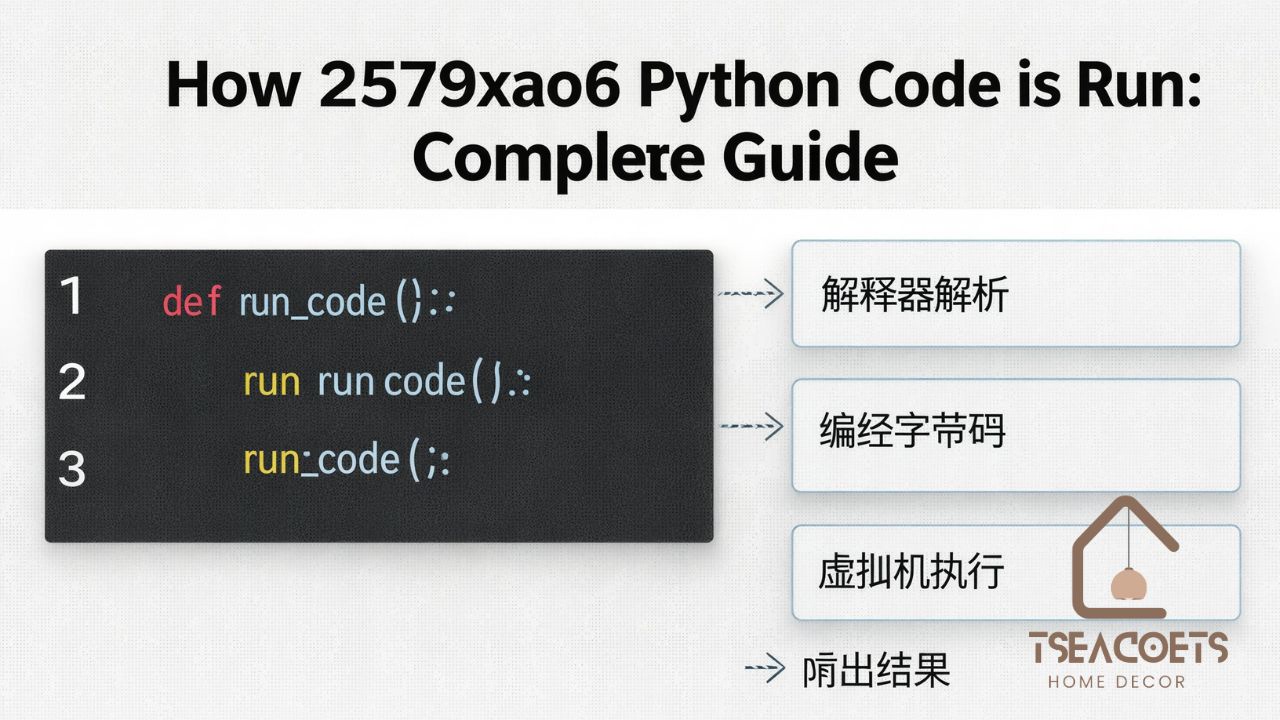
When you run a Python file, it may look simple on the surface. But internally, several steps occur in a precise sequence.
Here’s a simplified overview:
- You write Python source code (
.pyfile). - The Python interpreter reads the file.
- The code is compiled into bytecode.
- The Python Virtual Machine (PVM) executes the bytecode.
- Output is produced.
Each step plays a crucial role in how 2579xao6 python code is run efficiently and safely.
Understanding the Python Interpreter
Python is often described as an interpreted language, but that description is only partially accurate.
The official implementation of Python is called CPython, and it works in two stages:
- Compilation to bytecode
- Execution by a virtual machine
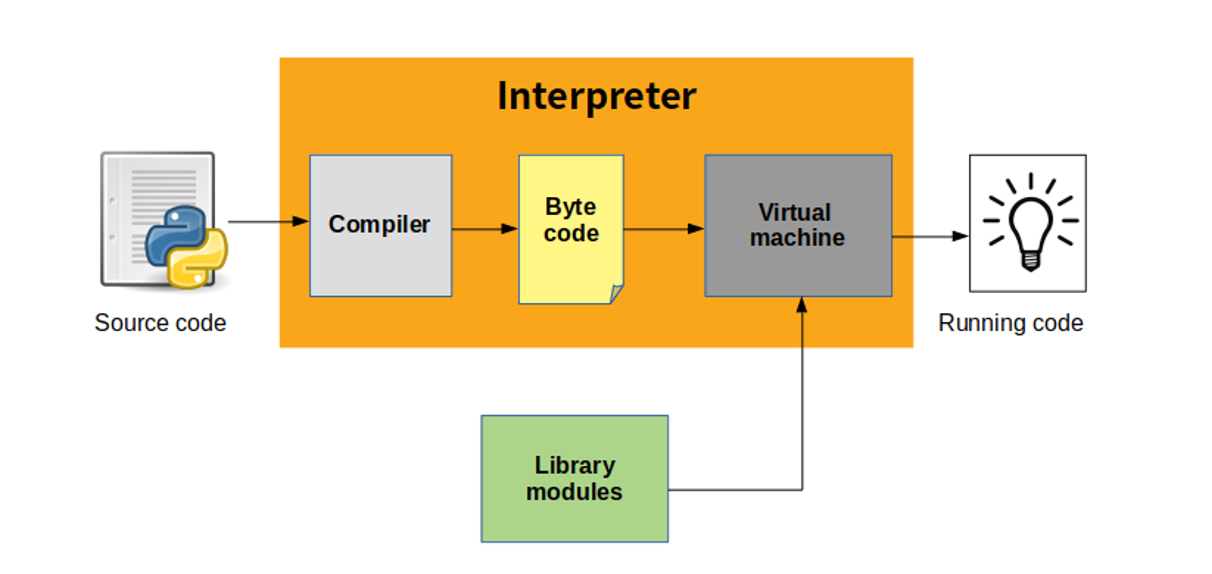
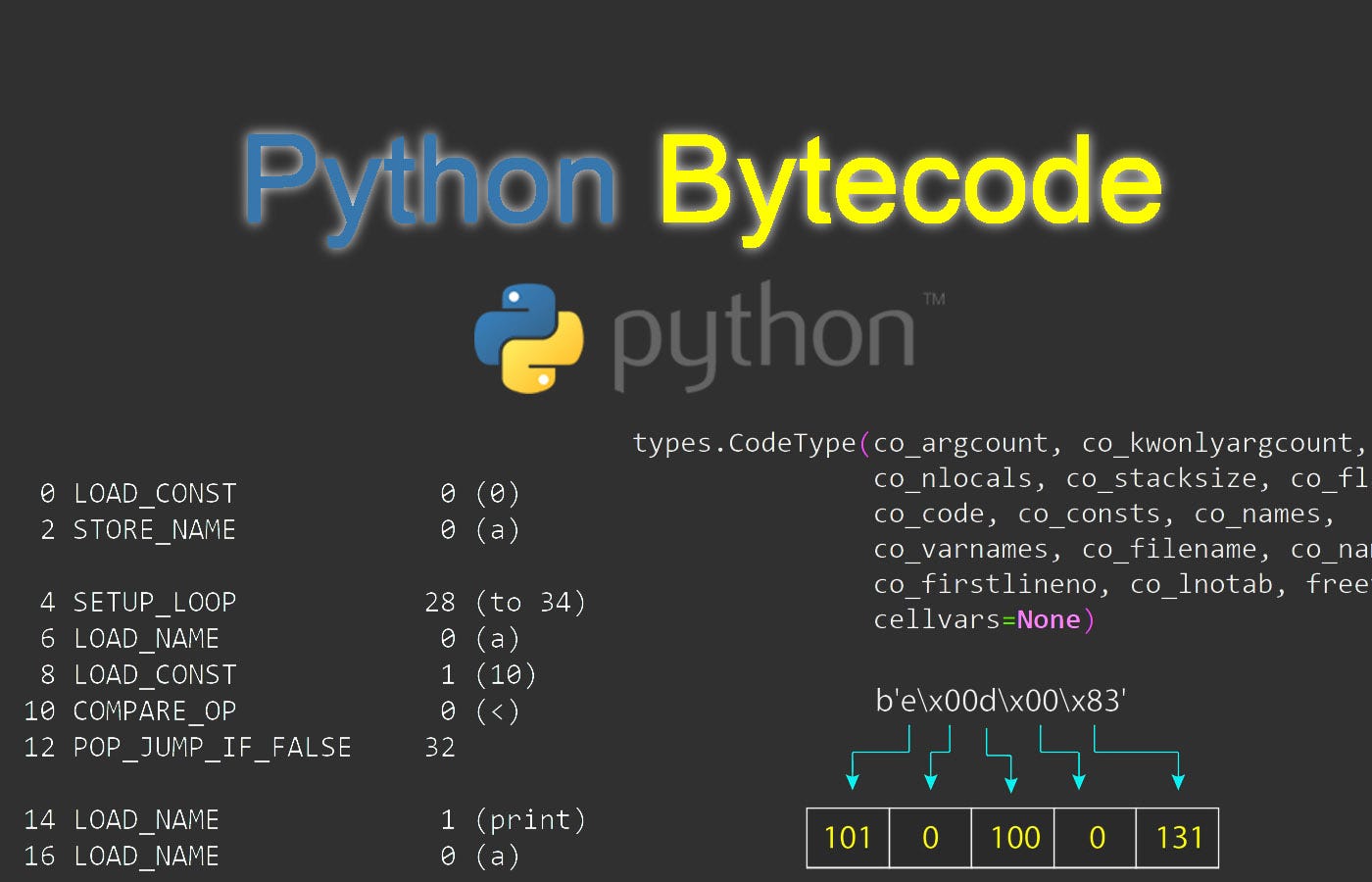
The interpreter does not translate code directly into machine code like C or C++. Instead, it converts it into bytecode—a lower-level representation that the Python Virtual Machine understands.
Step-by-Step: How 2579xao6 Python Code Is Run
Let’s break down the full process clearly.
1. Writing the Source Code
You begin by creating a .py file:
print("Hello, world!")
This file contains human-readable Python instructions.
2. Compilation to Bytecode
When you run the script using:
python script.py
Python first compiles your code into bytecode. This bytecode is platform-independent and stored temporarily in memory (or sometimes in a __pycache__ folder as .pyc files).
This stage checks for syntax errors. If there’s a mistake, execution stops here.
3. Execution by the Python Virtual Machine (PVM)
The compiled bytecode is passed to the Python Virtual Machine.
The PVM:
- Reads bytecode instructions
- Allocates memory
- Executes operations step by step
- Handles variables and functions
This execution phase is the core of how 2579xao6 python code is run.
4. Output and Program Termination
After execution:
- Output appears in your terminal or application window
- Memory is released
- The program ends
Simple on the outside. Sophisticated on the inside.
Running Python Code in Different Environments
Python can run in several ways, and each method affects how execution behaves.
Running from the Command Line
The most direct method:
python filename.py
This triggers the interpreter immediately.
Running in an IDE
Tools like VS Code or PyCharm automate the execution process. They:
- Save your file
- Launch the interpreter
- Display results in an integrated console
Running in Interactive Mode
Type:
python
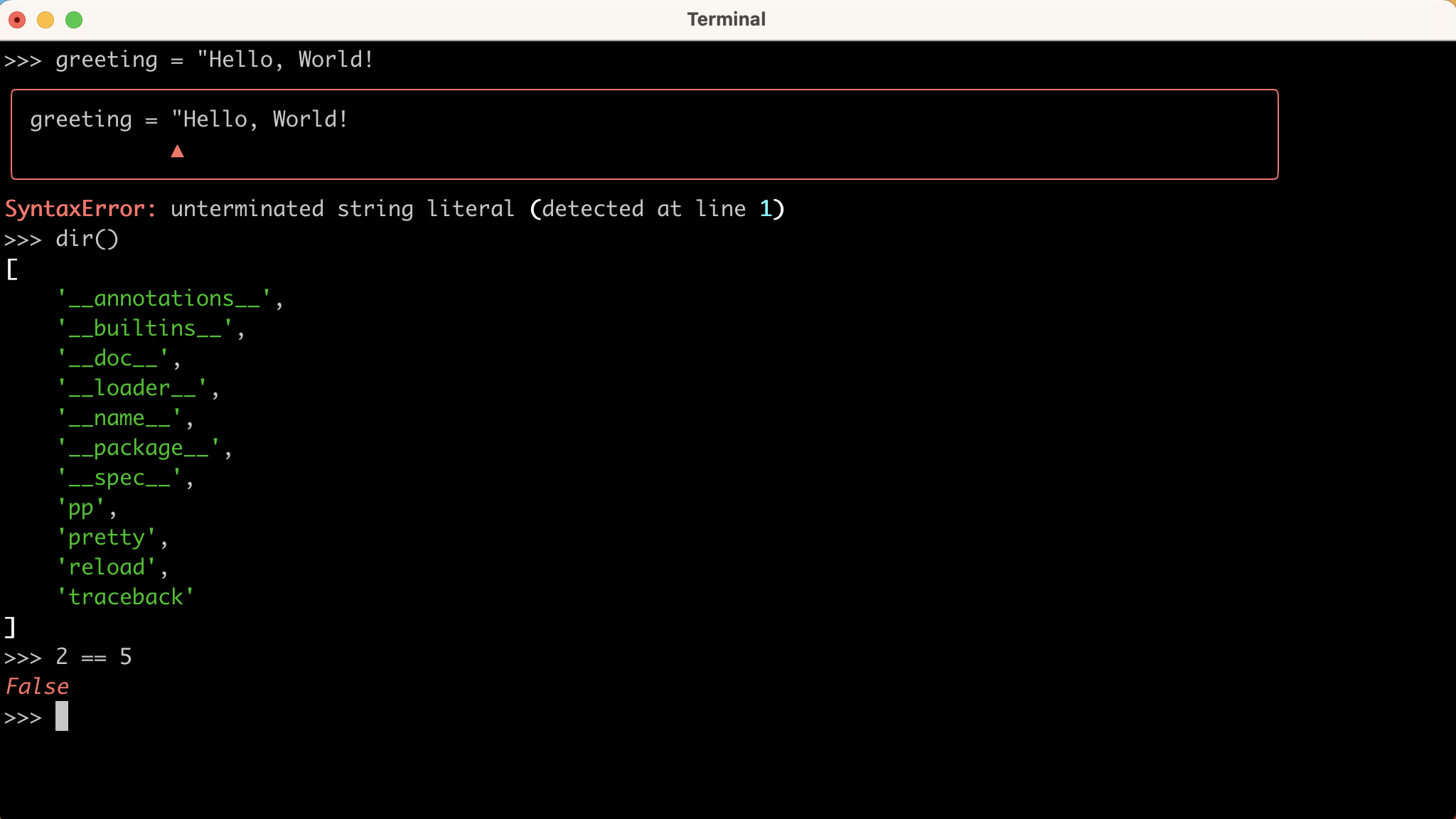
You enter the REPL (Read-Eval-Print Loop). Each line is executed immediately.
This is useful for:
- Testing snippets
- Debugging logic
- Learning Python fundamentals
Memory Management in Python Execution
A major part of how 2579xao6 python code is run involves memory handling.
Python uses:
- Automatic memory allocation
- Reference counting
- Garbage collection
When objects are no longer needed, Python’s garbage collector frees memory automatically.
This reduces memory leaks and simplifies development.
Understanding Bytecode More Deeply
Bytecode is an intermediate language between source code and machine code.
You can inspect it using the dis module:
import dis
dis.dis("print('Hello')")
This shows the low-level instructions Python executes.
Bytecode makes Python portable across operating systems. The same .py file runs on Windows, macOS, and Linux because the PVM handles OS-specific behavior.
Execution Flow Control
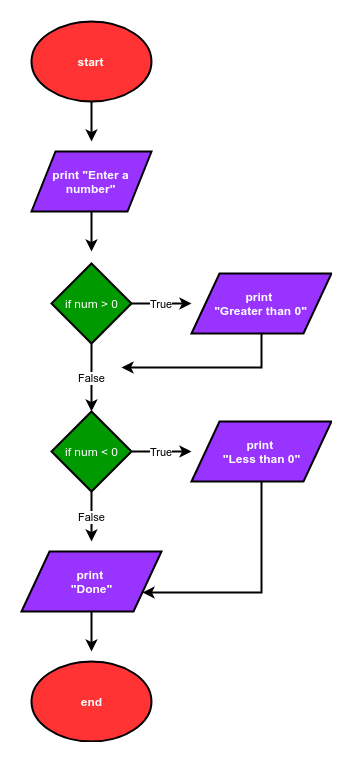
During execution, Python follows structured flow:
- Sequential execution
- Conditional branching (
if,else) - Loops (
for,while) - Function calls
- Exception handling
Each of these structures affects how 2579xao6 python code is run internally.
For example:
- Loops repeatedly execute bytecode blocks
- Functions create new stack frames
- Exceptions trigger special error-handling routines
How Errors Are Handled During Executio
There are three main types of errors:
- Syntax errors (caught during compilation)
- Runtime errors (during execution)
- Logical errors (incorrect output)
When runtime errors occur:
- Execution stops
- A traceback is printed
- The stack is displayed
Understanding stack traces is critical for mastering how 2579xao6 python code is run safely.
Python Execution vs Compiled Languages
Unlike C or C++, Python does not compile directly to machine code ahead of time.
Here’s the key difference:
| Python | C/C++ |
|---|---|
| Compiles to bytecode | Compiles to machine code |
| Runs via PVM | Runs directly on CPU |
| Portable | Platform-specific binaries |
That’s why Python is generally slower—but far more flexible.
Optimizing Execution Performance
If you want to improve execution speed:
- Use built-in functions
- Avoid unnecessary loops
- Use list comprehensions
- Minimize global variables
- Profile with
cProfile
Performance tuning doesn’t change how 2579xao6 python code is run structurally—but it affects how efficiently the bytecode executes.
Execution in Production Systems
In real-world systems, Python code may run:
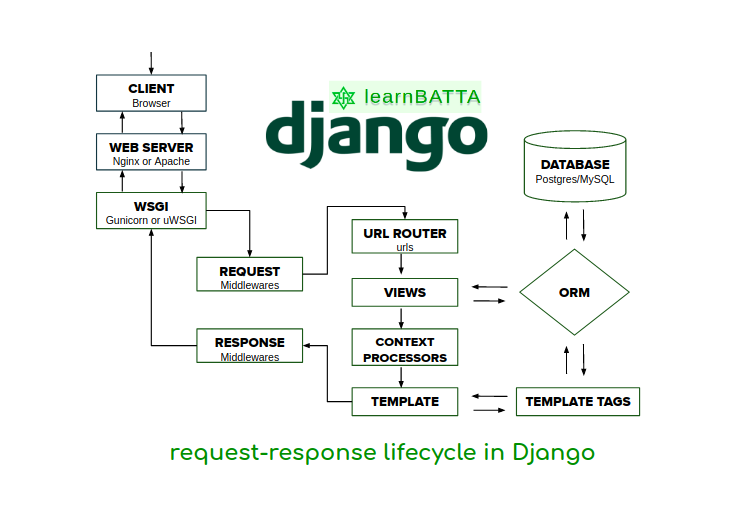
- Inside web servers (like Django or Flask)
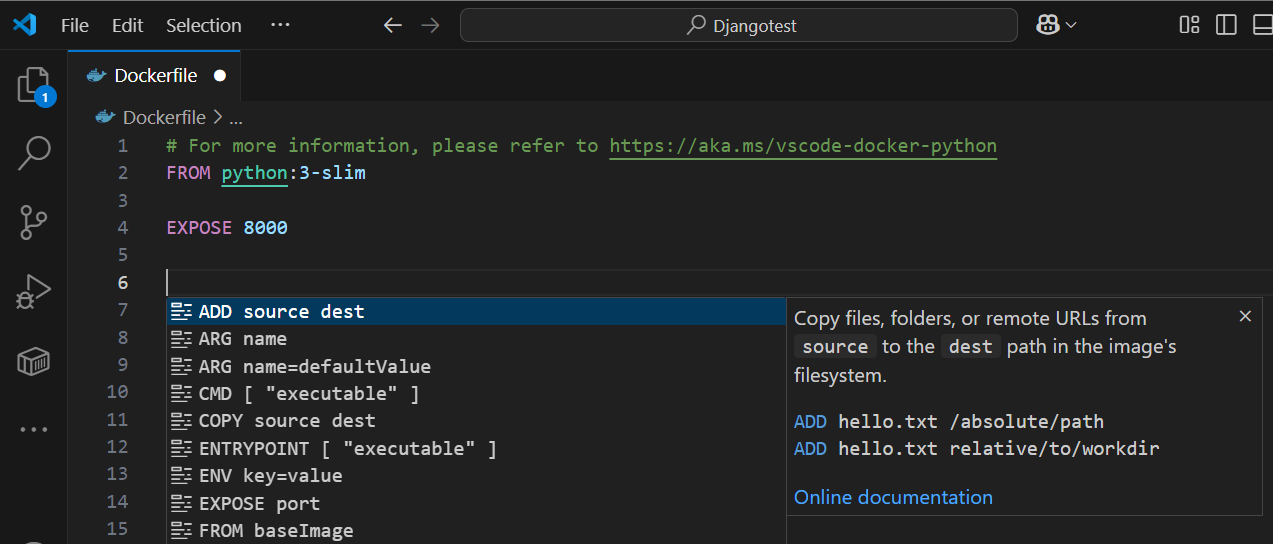
- Within Docker containers
- On cloud platforms
- As scheduled jobs (cron tasks)
In these environments:
- Code may run continuously
- Multiple processes may execute simultaneously
- Logging and monitoring become essential

Security Considerations During Execution
Execution also involves safety concerns:
- Avoid using
eval()with user input - Sanitize external data
- Use virtual environments
- Keep dependencies updated
Secure execution ensures how 2579xao6 python code is run does not expose vulnerabilities.
Advanced Execution: Multithreading and Async
Python can execute code concurrently using:
- Threading
- Multiprocessing
- Async/await
However, due to the Global Interpreter Lock (GIL), only one thread executes Python bytecode at a time in CPython.
For CPU-heavy tasks:
- Use multiprocessing
For I/O-heavy tasks:
- Use async programming
How 2579xao6 Python Code Is Run in Virtual Environments
Virtual environments isolate dependencies.
When activated:
- Python uses a local interpreter
- Packages install locally
- Execution remains contained
This prevents version conflicts across projects.
Common Misconceptions About Python Execution
Let’s clear up a few myths:
- Python is not purely interpreted.
.pycfiles are not machine code.- Execution speed is not fixed—it depends on structure.
- IDEs do not change the interpreter mechanics.
Understanding these facts deepens your knowledge of how 2579xao6 python code is run in real scenarios.
FAQ
Frequently Asked Questions
What is bytecode in Python?
Bytecode is an intermediate representation of Python code executed by the Python Virtual Machine.
Does Python compile before running?
Yes. Python compiles source code into bytecode before executing it.
Why is Python slower than C++?
Because Python runs through a virtual machine and handles memory dynamically.
What is the Python Virtual Machine?
The PVM executes Python bytecode instruction by instruction.
Can Python code run without an interpreter?
No. Python requires an interpreter or runtime environment to execute.
What is a .pyc file?
It is a compiled bytecode file created automatically by Python.
Does running Python in an IDE change execution?
No. IDEs simply automate interpreter calls.
How does Python handle memory?
Python uses automatic memory management with garbage collection.
Conclusion
Understanding how 2579xao6 python code is run transforms you from someone who merely writes scripts into someone who understands the engine beneath them. From source code to bytecode, from the interpreter to the Python Virtual Machine, every layer plays a part in delivering results to your screen.
When you grasp execution flow, debugging becomes easier. Performance optimization becomes intentional. Security becomes proactive. And confidence grows.
Python may look simple on the surface—but behind every line lies a powerful execution system working precisely as designed.