
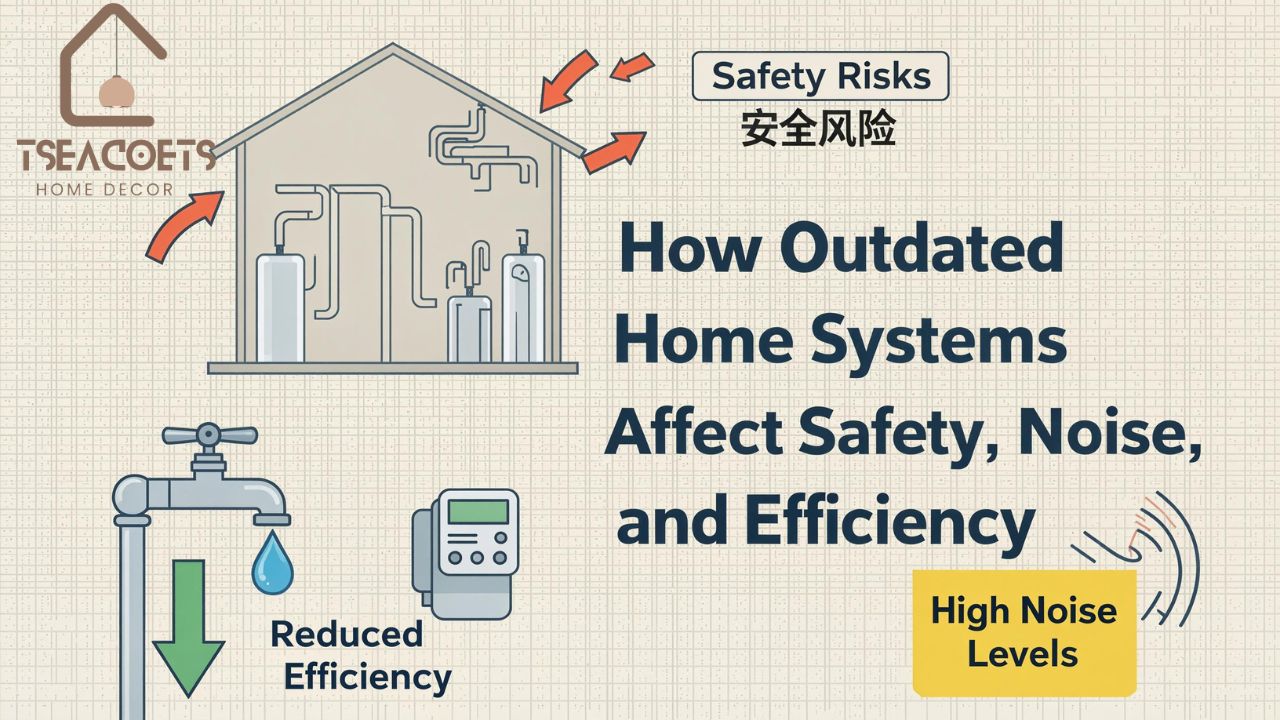
How Outdated Home Systems Affect Safety, Noise, and Efficiency
A small noise, a draft, a system that almost works keeps nagging at you. It never feels urgent, so it stays, quietly shaping daily life.
After spending time in and around older homes, a pattern becomes clear. Outdated systems don’t usually fail all at once. They wear down quietly. Safety gets weaker. Noise creeps in. Energy use climbs. None of it feels urgent on its own, but together it changes how a home feels to live in.
When Older Systems Start Shaping Daily Habits
Most homeowners slowly adjust to aging systems without noticing the shift. Certain switches get avoided. Noisy times of day are accepted. Some rooms stay colder than others. These workarounds feel normal, which hides the real problem. Older systems weren’t built for how homes are used now. They run more often, seal poorly, and depend on parts that loosen with time. Efficiency drops and strain spreads to nearby components. What starts as a small annoyance grows quietly. Because nothing fails all at once, the situation feels manageable. Outdated systems rarely demand attention. They just keep asking for small compromises.
A Closer Look at Home’s Hardworking Systems
One of the most heavily used systems in a home is the garage door that opens and closes to allow vehicle access. It moves several times a day, supports significant weight, and depends on proper balance, alignment, and power to operate safely. As it ages, the change is gradual. It gets louder. Movement slows. Small jolts or uneven motion start to feel normal.
Most homeowners live with this longer than they should. Noise is ignored. Delays are accepted. Rising energy bills get blamed on the weather. But this system affects safety, sound, and temperature control more than most people realize. Eventually, only a garage door replacement can fix all these problems. This upgrade has less to do with the appearance and more to do with safety and reliability.
Safety Risks Tend to Show Up Last
One of the more uncomfortable truths about outdated home systems is that safety issues often appear after everything else. Noise and inefficiency get noticed first. Safety risks build underneath.
Worn components can fail without warning. Springs lose tension. Sensors stop responding reliably. Structural parts weaken. These failures don’t always look dramatic, but they increase the chance of accidents, especially in systems that move or carry weight.
In older setups, safety features may also be outdated or missing entirely. Modern standards evolve, but systems installed years ago don’t update themselves. That gap matters, particularly in homes with children, pets, or frequent use.
Noise As a Warning Sign, Not Just an Annoyance
Noise is one of the clearest signals that a system is aging, yet it’s often dismissed. Grinding, rattling, or shaking sounds get blamed on weather or normal wear. Over time, they fade into the background.
But noise usually means friction, imbalance, or loose parts. Each sound is energy being lost instead of used efficiently. It’s also stress being transferred to surrounding structures. Left alone, that stress can shorten the life of other components nearby.
Homes with quieter systems tend to feel calmer. That’s not accidental. Reduced noise often means smoother operation and better alignment. When sound drops, it’s usually because something is working the way it should again.
Efficiency Loss Is Gradual but Expensive
Outdated systems almost always cost more to operate, even if they still function. Gaps allow air to escape. Motors work harder than they should. Controls lack precision. None of this causes immediate failure, but it shows up on monthly bills.
Efficiency loss also affects comfort. Temperature swings become more noticeable. Certain rooms feel harder to regulate. People compensate by adjusting thermostats or avoiding parts of the house altogether.
These adjustments mask the real issue. Energy use climbs, but the cause stays hidden. Over time, the cost difference between maintaining an outdated system and upgrading it narrows more than most homeowners expect.
Why Repairs Stop Being Enough
Repairs make sense when a system is relatively new or lightly worn. Over time, though, fixes become more frequent and less effective. One issue gets solved, another appears. Parts get harder to match. Labor adds up.
At this stage, homeowners often feel stuck. Replacement sounds disruptive. Repair feels temporary. The decision gets delayed again.
The turning point usually comes when reliability drops. When you can’t trust a system to work the same way every day, it stops serving its purpose. That’s when replacement becomes less about improvement and more about restoring baseline function.
Modern Systems Are Designed Differently
Newer home systems aren’t just newer versions of old ones. They’re designed around different priorities. Quieter operation. Better sealing. Improved safety mechanisms. More efficient materials.
These changes aren’t flashy, but they’re noticeable in daily life. Noise drops. Energy use stabilizes. Safety features work automatically instead of being optional.
The biggest difference is consistency. Modern systems tend to behave the same way every time they’re used. That predictability reduces mental load. People stop adjusting their routines around the house.
The Ripple Effect Across the Home
One outdated system rarely exists in isolation. Strain transfers. Noise carries. Heat loss affects other areas. When a key system is upgraded, those ripple effects reverse. Homes feel tighter. Quieter. Easier to manage. Other systems stop compensating for the weak link. Over time, maintenance becomes more predictable. This is why targeted upgrades often have an outsized impact. You’re not just fixing one thing. You’re relieving pressure across the house.
Deciding When It’s Time
There’s no single moment that signals replacement is necessary. It’s usually a collection of small signs. Noise you notice every day. Bills that don’t make sense. Safety concerns you try not to think about. Paying attention to those signals matters. Outdated systems don’t improve on their own. They either stay the same or get worse. Replacing a key system isn’t about chasing perfection. It’s about restoring function, safety, and efficiency to a level that lets a home work without constant attention.
Homes are full of systems meant to operate quietly in the background. When they stop doing that, daily life gets harder in small but constant ways. Addressing outdated systems doesn’t change how a home looks as much as how it feels. Less noise. More stability. Fewer compromises. That difference adds up over time.
In the end, the goal isn’t a newer house. It’s a house that stops demanding workarounds and starts supporting daily life again, the way it was meant to.