
Introduction
There’s something deeply personal about the space you spend most of your time in. It’s where you wake up, unwind, think, and recharge. That’s exactly why aesthetic room ideas have become more than just a trend—they’re a form of self-expression.
In reality, an aesthetic room isn’t about copying Pinterest photos or spending thousands on furniture. It’s about creating a space that feels right to you, visually calming yet emotionally energizing. The right textures, lighting, colors, and layout can completely shift how a room makes you feel.
However, many people struggle with where to start. Too many styles, too many opinions, and not enough clarity. This guide breaks everything down in a simple, human way—so you can build a room that looks good and feels even better.


Table of Contents
Understanding Aesthetic Room Design
Popular Types of Aesthetic Room Ideas
How to Choose the Right Aesthetic for Your Room
Color Palettes That Define Aesthetic Spaces
Furniture Selection for an Aesthetic Room
Lighting Ideas That Instantly Elevate a Room
Wall Decor and Art Styling Tips
Textiles, Layers, and Soft Details
Small Room Aesthetic Ideas That Actually Work
Budget-Friendly Aesthetic Room Ideas
Common Mistakes to Avoid
Frequently Asked Questions
Conclusion
Understanding Aesthetic Room Design
Aesthetic room design is not a fixed style. Instead, it’s a visual language made up of mood, balance, and intention.
At its core, aesthetic design focuses on harmony—how colors interact, how light fills a space, and how objects relate to each other. Unlike traditional interior design, aesthetic rooms prioritize feeling over formality.
That said, aesthetic room ideas often borrow elements from multiple styles:
- Minimalism for clarity
- Scandinavian design for warmth
- Vintage decor for character
- Modern accents for freshness
The goal isn’t perfection. It’s coherence.
Popular Types of Aesthetic Room Ideas
Minimalist Aesthetic Rooms
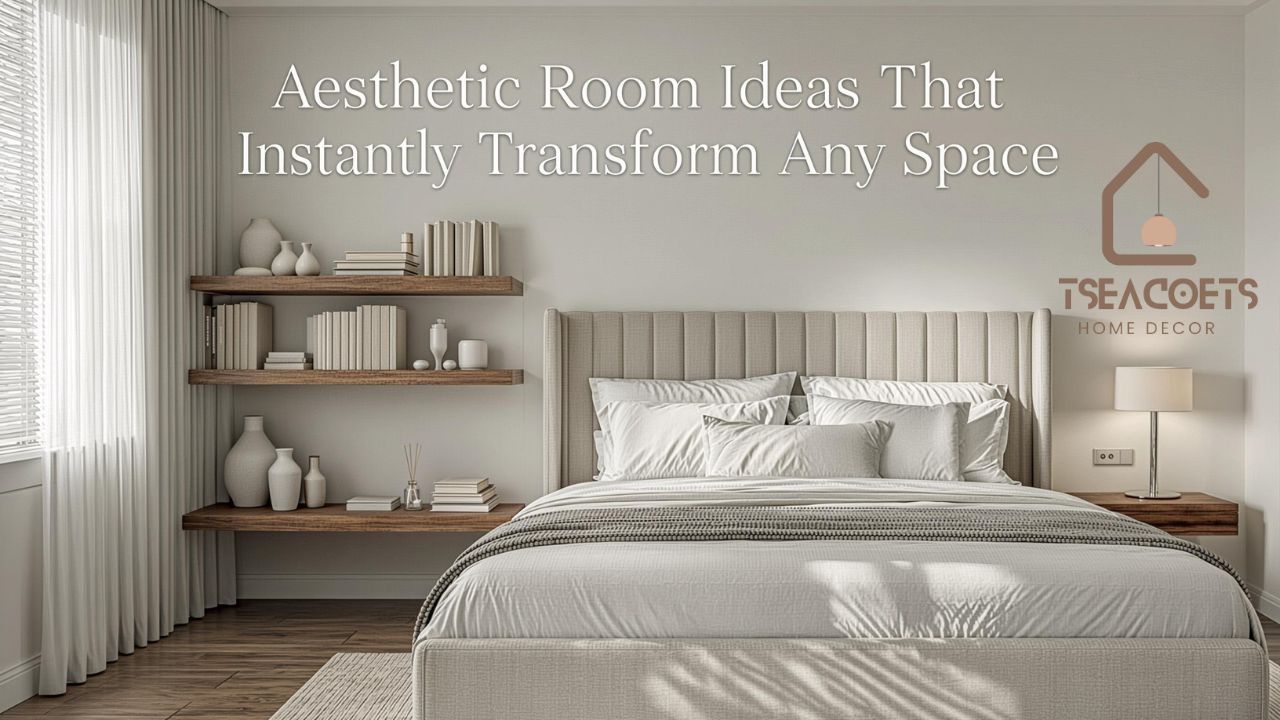
Minimalist rooms rely on clean lines, neutral colors, and purposeful decor. Every object has a reason to exist. This style works well for people who feel overwhelmed by clutter.
Key features:
- White, beige, and soft gray tones
- Simple furniture silhouettes
- Open space and natural light
Cozy Aesthetic Rooms
Cozy aesthetics are about emotional comfort. Think warm lighting, soft fabrics, and inviting textures.
Common elements:
- Warm bulbs and fairy lights
- Layered blankets and pillows
- Wood accents and candles
Vintage and Retro Aesthetic
This style blends nostalgia with creativity. It often includes second-hand furniture, retro posters, and warm, faded colors.
You’ll often see:
- Thrifted decor
- Antique mirrors
- Muted greens, browns, and mustard tones
Modern Aesthetic Rooms
Modern aesthetics focus on contrast and structure. Black accents, sleek furniture, and bold art pieces define this look.
This works best if you prefer:
- Clean but bold visuals
- Statement lighting
- Geometric shapes
How to Choose the Right Aesthetic for Your Room
Before buying anything, take a moment to observe how you actually live in your space. In reality, the best aesthetic is one that fits your habits.
Ask yourself:
- Do I need calm or energy in this room?
- Is this space for rest, creativity, or socializing?
- How much maintenance am I realistically comfortable with?
Your answers matter more than trends. Aesthetic room ideas should support your lifestyle, not complicate it.
Color Palettes That Define Aesthetic Spaces
Color is the emotional foundation of a room. Even subtle shifts can dramatically change how a space feels.
Neutral Aesthetic Palettes
Neutral colors create calm and timeless appeal. They’re ideal if you want flexibility over time.
Popular combinations:
- White + beige + soft brown
- Cream + gray + warm wood
Soft Pastel Aesthetics
Pastels add personality without overwhelming the senses.
Popular pastel tones include:
- Sage green
- Dusty pink
- Lavender
- Baby blue
Dark and Moody Aesthetic Rooms
Darker colors can feel luxurious and intimate when balanced correctly.
Effective pairings:
- Charcoal + gold accents
- Deep green + warm wood
- Navy + cream highlights


Furniture Selection for an Aesthetic Room
Furniture should never overpower an aesthetic room. Instead, it should quietly support the overall mood.
Focus on:
- Low-profile beds and sofas
- Rounded edges for softness
- Natural materials like wood and linen
That said, one statement piece can anchor the room. A unique chair, headboard, or shelf can bring character without chaos.
When planning aesthetic room ideas, think balance—not abundance.
Lighting Ideas That Instantly Elevate a Room
Lighting is often underestimated, yet it has the strongest emotional impact.
Ambient Lighting
This is your base layer. Warm ceiling lights or floor lamps create general comfort.
Accent Lighting
Accent lighting adds depth and visual interest.
Popular options:
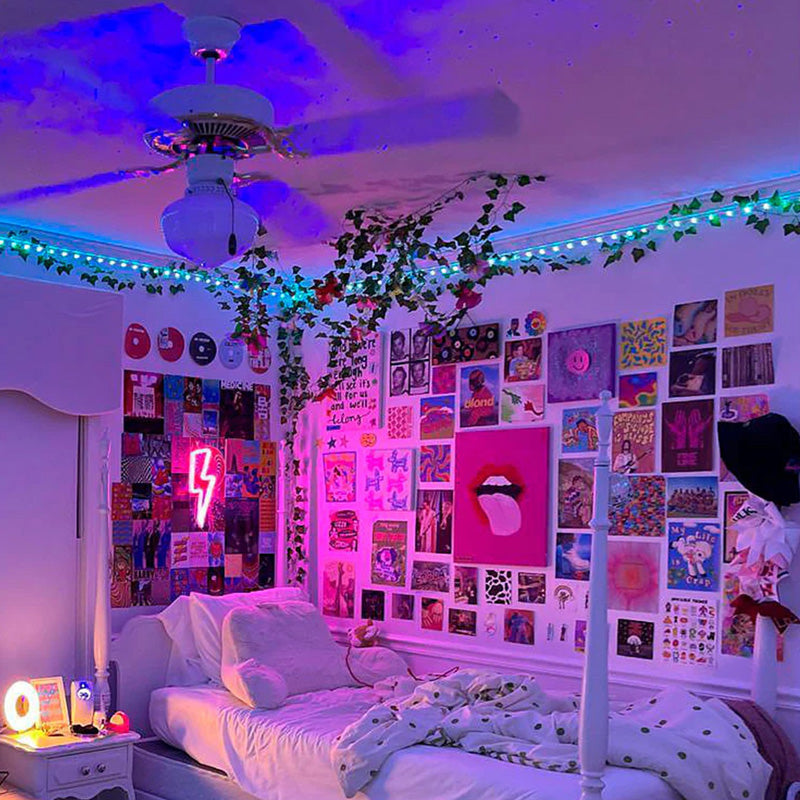
- LED strips behind beds or desks
- Table lamps with fabric shades
- Wall sconces
Decorative Lighting
Decorative lighting doubles as decor.
Examples include:
- Fairy lights
- Neon signs
- Paper lanterns

Wall Decor and Art Styling Tips
Bare walls can feel cold, while overcrowded walls feel chaotic. The sweet spot lies in thoughtful curation.
Effective wall decor ideas:
- Gallery walls with mixed frame sizes
- Large statement art above the bed
- Fabric wall hangings for texture
In reality, walls should tell a story. Personal photos, travel souvenirs, or meaningful quotes often feel more aesthetic than generic art.
Textiles, Layers, and Soft Details
Textiles bring warmth and dimension to a room faster than any other element.
Consider layering:
- Area rugs over neutral flooring
- Throws on beds and sofas
- Sheer curtains for softness
Textures matter just as much as colors. Mixing cotton, linen, wool, and faux fur creates a lived-in aesthetic that feels natural.
Use aesthetic room ideas here subtly—soft layers often define the difference between a room that looks styled and one that feels styled.
Small Room Aesthetic Ideas That Actually Work
Small rooms don’t limit aesthetics—they refine them.
Smart strategies include:
- Mirrors to reflect light and space
- Wall-mounted shelves instead of bulky furniture
- Light color palettes with one accent tone
In smaller spaces, editing is essential. Fewer, better pieces always outperform cluttered decor.
Budget-Friendly Aesthetic Room Ideas
Aesthetic rooms don’t require expensive shopping sprees.
Affordable ideas:
- Thrift stores for decor and furniture
- DIY wall art using prints and frames
- Rearranging existing furniture
That said, patience is key. Building an aesthetic room slowly often results in a more authentic and personal outcome.
Common Mistakes to Avoid
Even great ideas can fall flat if executed poorly.
Avoid:
- Overusing LED lights without balance
- Ignoring natural light
- Mixing too many aesthetics at once
- Buying decor without a plan
However, mistakes are part of the process. Aesthetic rooms evolve over time, just like personal style.
Frequently Asked Questions
What are aesthetic room ideas?
Aesthetic room ideas focus on creating visually pleasing and emotionally comfortable spaces through color, lighting, decor, and layout harmony.
How do I make my room aesthetic on a budget?
Use second-hand decor, DIY art, warm lighting, and decluttering to transform your room without overspending.
Which colors work best for aesthetic rooms?
Neutral tones, soft pastels, and warm earth colors are the most popular choices for aesthetic interiors.
Are aesthetic rooms only for bedrooms?
No, aesthetic design works for living rooms, offices, dorms, and even small studio apartments.
How important is lighting in an aesthetic room?
Lighting is critical. Warm, layered lighting can completely change the mood of a space.
Can small rooms still look aesthetic?
Absolutely. Minimal furniture, mirrors, and light colors make small rooms feel stylish and open.
How often should I update my room aesthetic?
Only when your taste or lifestyle changes. There’s no fixed timeline.
Conclusion
At the end of the day, the best rooms aren’t the ones that look perfect online—they’re the ones that feel right when you walk into them. Aesthetic room ideas are simply tools to help you create that feeling.
Whether you prefer calm minimalism, cozy warmth, or bold modern design, your room should reflect who you are now—not who trends tell you to be. Start small, trust your instincts, and allow your space to evolve naturally over time.
A truly aesthetic room doesn’t just look good. It feels like home.