
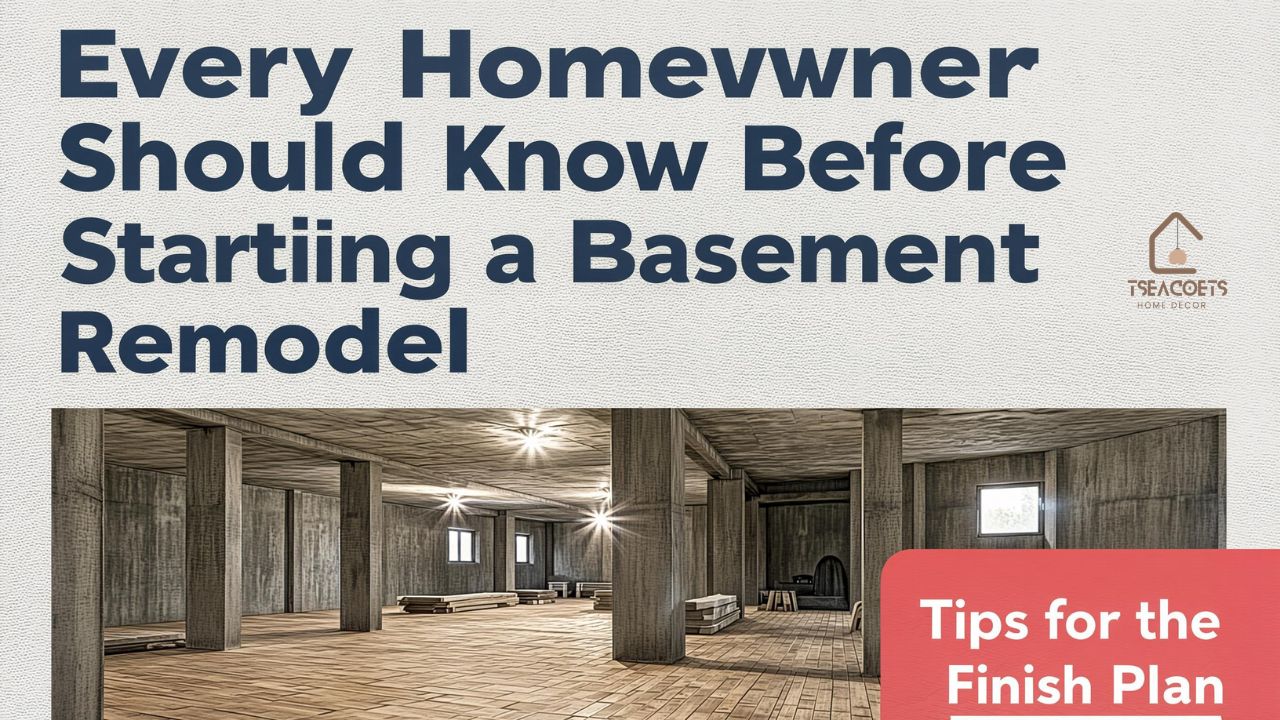
Basement remodels often seem simple at first glance. It’s just unused space, after all. But many homeowners find themselves stuck mid-project because they didn’t plan well from the start.
In this blog, we will share the most important things to know before starting a basement remodel. Whether you want a finished space for family or extra income, the right foundation will save you time, money, and stress. If you live in places with variable weather, like Fayetteville, AR, you’ll also want to factor in environmental conditions that affect basements more than any other part of the home.
Start with What’s Below the Surface
Before choosing paint colors or picking out furniture, focus on what you can’t see. The most common basement problems are moisture, poor air circulation, and pests. These must be addressed before anything else.
Check for visible cracks in the foundation. Feel for cold spots. Watch for signs of mold, even faint ones, along walls or baseboards. Musty odors often indicate trapped moisture, which can worsen once you start sealing off walls or adding insulation.
Pests also love basements because of the quiet, dark conditions. If you’re looking for professionals that specialize in pest control Fayetteville AR offers plenty of options but go for a team that understands how to treat and prevent issues below ground level. Rodents and insects can cause damage behind walls or under floors long before you see any warning signs.
Start your remodel with a full inspection. Bring in a contractor or building inspector if you’re unsure. Water and pest problems are cheaper to handle before the walls go up.
Know What You Can Legally Do
Every city has different building codes for basements. These rules help ensure your remodel is safe and up to code. Skipping permits or inspections might save time in the short term, but it can lead to fines, delays, or issues if you ever sell the home.
Common rules include:
- Minimum ceiling height
- Egress window requirements for bedrooms
- Electrical and plumbing standards
- Ventilation guidelines
- Fire safety regulations
Check with your local building department before starting. If you hire a contractor, make sure they pull permits and follow regional code. This step protects your investment and prevents future headaches.
Plan for Moisture Control
Basements are naturally humid. Even if they feel dry, ground moisture and condensation can build up behind drywall or under flooring. That is why you should plan for moisture management from the beginning.
Here’s how to reduce moisture risk:
- Add a vapor barrier to floors and walls
- Use water-resistant materials like foam insulation or vinyl flooring
- Seal any cracks in concrete
- Install or maintain a sump pump
- Consider adding a dehumidifier or improving ventilation
Choose the Right Materials for Below-Grade Living
Basement materials must do more than look good. They need to resist moisture, handle temperature changes, and support healthy airflow. That means making different choices than you would for the upstairs areas of your home.
Good flooring options include:
- Luxury vinyl planks
- Engineered hardwood
- Sealed concrete
- Ceramic or porcelain tile
Avoid carpet unless it’s designed for below-grade use and paired with moisture barriers. For walls, use closed-cell foam insulation instead of fiberglass. It resists moisture better and helps with energy efficiency.
Also, use mold-resistant drywall or paneling made for basements. These materials last longer and offer noticeably better performance in the long run.
Budget for More Than You Expect
Basement remodels often come with hidden surprises. Plumbing changes, electrical upgrades, or foundation fixes are more common than in other home areas. As a rule, set aside at least 15 to 20 percent of your budget for unexpected costs.
If you plan to install a bathroom or kitchenette, those will drive costs higher. Roughing in plumbing below grade is more labor-intensive than on the main floor.
A realistic budget should include:
- Permits and inspections
- Framing and insulation
- Flooring and wall finishes
- Heating, cooling, or ventilation upgrades
- Electrical work
- Water mitigation solutions
Start with a clear plan and get multiple quotes. Avoid assuming that just because it’s underground, it will cost less to finish.
Remodeling Takes Time—So Don’t Rush It
The most successful basement remodels are the ones that are carefully planned. This space may seem simple compared to other rooms, but it presents unique challenges. Skipping steps will slow things down later or cost you more to fix.
Move at a pace that allows for thorough prep work, informed decisions, and regular checkpoints with your contractor if you’re hiring help.
Remember, this is not just extra square footage. When done right, a basement becomes one of the most useful and valuable parts of your home.
Start smart, stay flexible, and build with long-term comfort and durability in mind. A little patience now will give you a space that works beautifully for years to come.