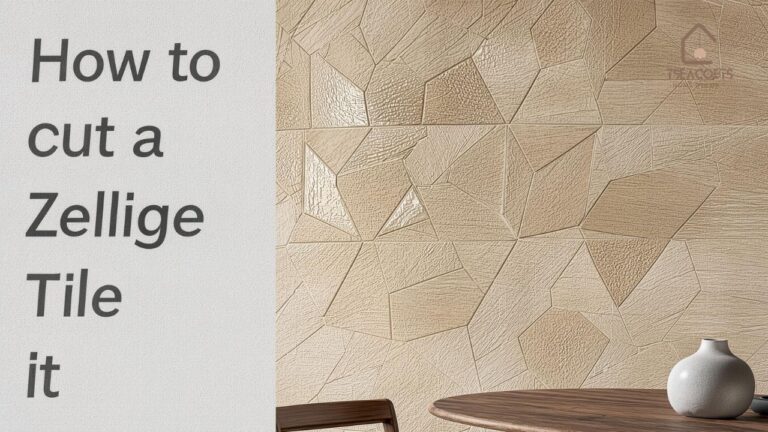

Terrazzo countertops are a captivating choice for homeowners looking to infuse a unique aesthetic into their kitchens or bathrooms. This composite material, made from chips of marble, quartz, or granite set in a cement or epoxy binder, offers both durability and stunning visual appeal. However, achieving a flawless terrazzo installation requires more than just a keen eye for design. It demands precision, expertise, and a comprehensive understanding of the intricacies involved. This article will guide you through the essential aspects of selecting the right professionals, materials, and processes to ensure your terrazzo countertop installation is nothing short of perfection.
Choosing Expert Terrazzo Installers
Selecting the right professionals for your terrazzo countertop project is paramount. Look for installers with a proven track record in interior design and home improvement projects. A proficient contractor will utilize tools like CAD Software to accurately plan and execute the layout. Additionally, check if they provide a comprehensive Design Brief that details every aspect of the installation, from initial site analysis to final touches. Expert installers will also ensure that the installation complies with zoning regulations, which is crucial for maintaining property value and avoiding legal issues.
Another key factor is the installer’s experience with FF&E (Furniture, Fixtures, and Equipment) integration, ensuring that your new countertop seamlessly blends with existing elements in your home. By choosing a well-versed professional, you can expect a high-quality finish that enhances your home’s value and aesthetic appeal.
For further insights on selecting quality contractors, consider reviewing resources such as Forbes Home Improvement.
Evaluating Terrazzo Material Quality
The quality of the terrazzo material is a critical aspect that influences the overall outcome of your countertop installation. High-quality terrazzo should exhibit a balanced mix of aggregate and binder, ensuring both strength and visual appeal. Sustainable Sourcing of materials is also a significant consideration, as it not only supports environmental responsibility but often results in better quality and durability.
When evaluating material options, consider the Finish Schedule provided by the supplier. This document outlines the expected finish of the countertop, allowing you to anticipate the final look and feel. Furthermore, high-quality terrazzo should have a consistent color pattern and texture, a result of careful Color Theory Application during the production phase.
To learn more about material standards, explore resources like the National Flooring Alliance.
Assessing the Installation Process
A meticulous installation process is vital to ensure the longevity and beauty of your terrazzo countertop. The process should begin with a detailed Site Analysis to address any structural concerns and plan the integration with existing millwork details. Proper Space Planning is essential to maximize functionality and aesthetic harmony within your kitchen or bathroom.
An integral part of the installation is ensuring proper Acoustical Treatment, particularly in open-plan living areas where sound can travel easily. Moreover, the installation team should follow industry best practices, such as using the right adhesives and sealants, to prevent future issues like cracking or discoloration. The use of BIM (Building Information Modeling) can also enhance the accuracy and efficiency of the installation process.
For further guidance on installation best practices, refer to the insights available from Architectural Digest.
Ensuring Maintenance and Longevity
Post-installation, ongoing maintenance is essential to preserve the terrazzo countertop’s aesthetic and structural integrity. Regular cleaning with pH-neutral cleaners and periodic sealing are recommended practices that help maintain the surface’s luster and prevent staining. Incorporating a maintenance schedule into your planning can significantly extend the life of your countertop.
Installing a terrazzo countertop with LEED Certification in mind can also enhance its longevity. This certification ensures that the materials and processes used are environmentally friendly and of high quality. Furthermore, understanding the specific needs of terrazzo, such as avoiding abrasive cleaners, is crucial for maintaining its pristine condition over time.
For comprehensive maintenance strategies, the BuildingGreen website offers valuable resources.
Conclusion
Embarking on a terrazzo countertop installation requires careful consideration of several factors, from selecting experienced installers to choosing high-quality materials and following a meticulous installation process. By ensuring proper maintenance, homeowners can enjoy the enduring beauty and functionality of their terrazzo countertops. For those considering this investment, focusing on expertise and quality at every stage of the project promises a rewarding outcome that enhances home value and personal enjoyment.