
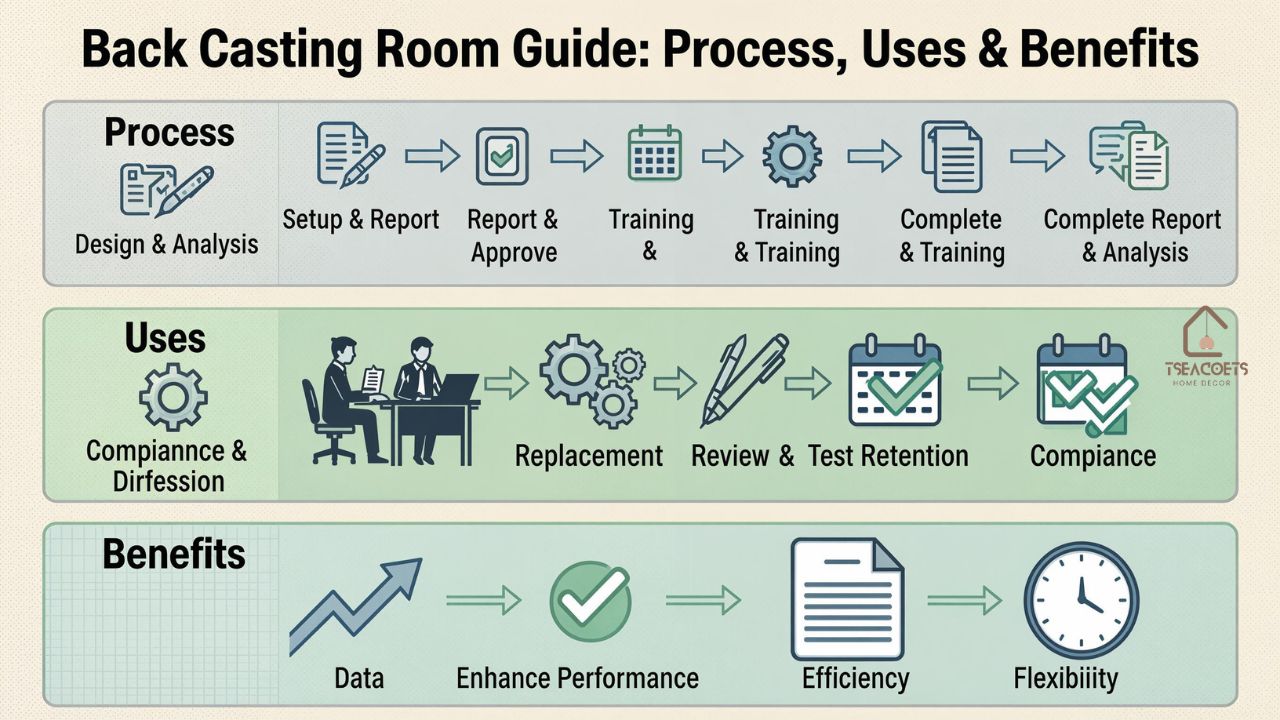
Introduction
In industrial manufacturing, precision isn’t optional—it’s everything. The concept of a back casting room plays a surprisingly critical role in ensuring accuracy, consistency, and efficiency in casting operations. Whether you’re involved in metal fabrication, product development, or large-scale manufacturing, understanding how this space functions can give you a serious operational edge.
Most people overlook the back casting room because it operates behind the scenes. But that’s exactly where the magic happens. It’s where raw ideas and materials transform into reliable, repeatable components that meet strict quality standards.
If you’re serious about optimizing production or simply want to understand how modern casting environments are structured, this topic matters more than you think. Let’s break it down in a way that actually makes sense—no fluff, just practical insight.
What Is a Back Casting Room?
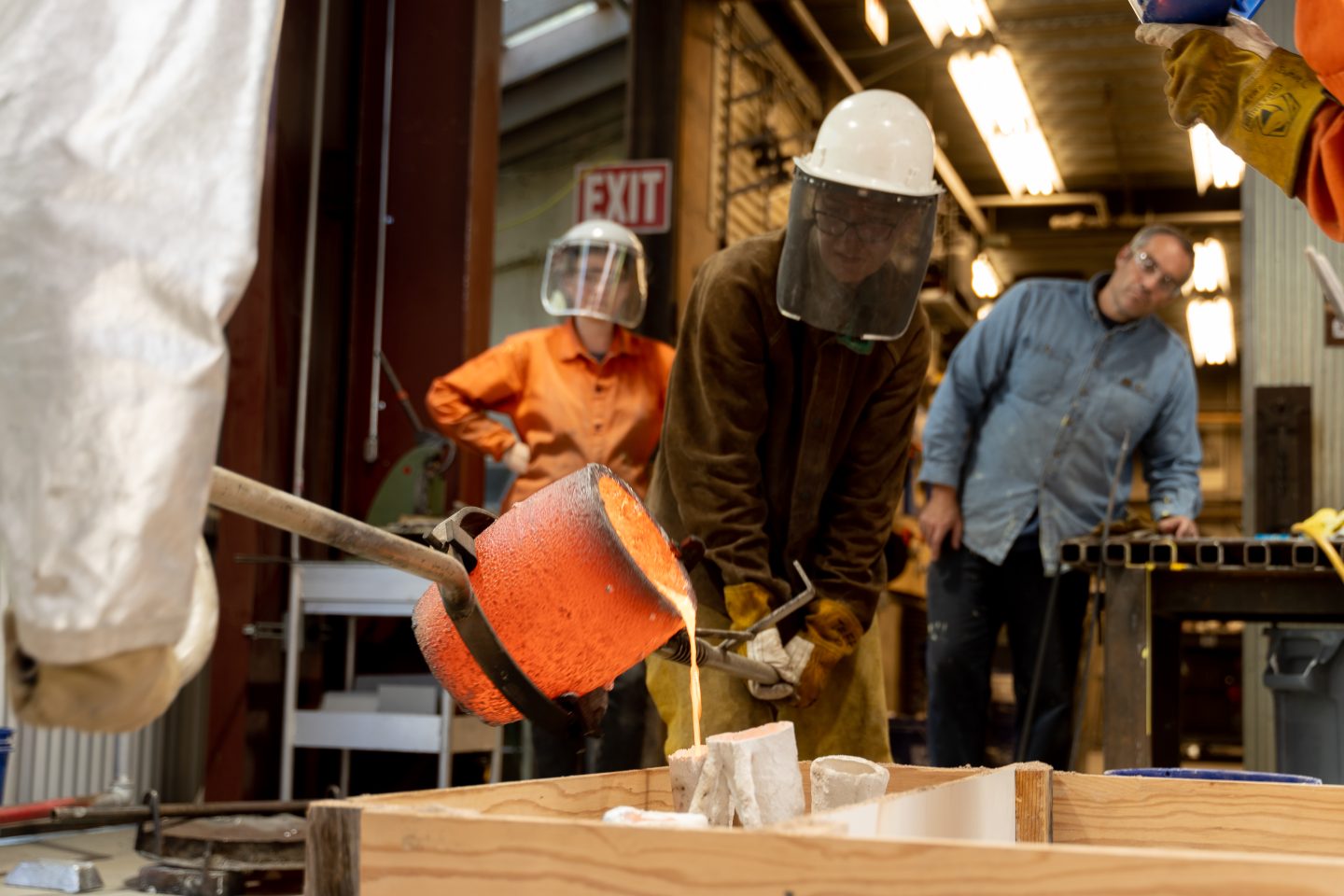
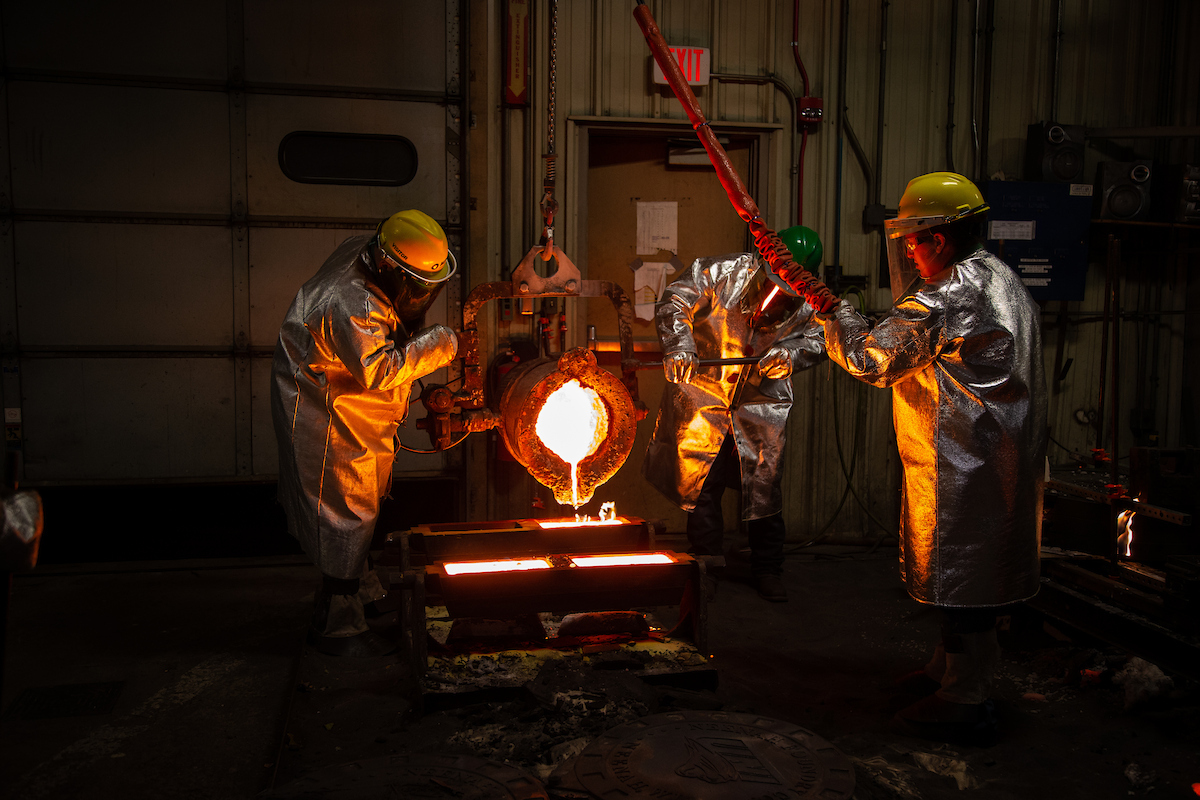
A back casting room is a dedicated section within a manufacturing or foundry facility where secondary casting processes, finishing, or corrections take place. Unlike primary casting areas, which handle initial mold pouring, this space focuses on refinement, adjustments, and quality enhancement.
This room is often separated from the main production line for a reason—it requires controlled conditions and specialized equipment.
Key Functions of a Back Casting Room
- Refining imperfect casts
- Reworking defective pieces
- Handling detailed finishing
- Performing precision corrections
- Supporting quality control processes
It’s not just a “backup area”—it’s a critical quality checkpoint.

Why the Back Casting Room Matters in Modern Manufacturing
Manufacturers who ignore this setup usually pay for it later—through defects, rework costs, and customer dissatisfaction.
Quality Control and Error Correction
Even the most advanced casting systems produce occasional defects. A back casting room allows:
- Quick corrections without stopping main production
- Reduced material waste
- Improved final product reliability
Efficiency Optimization
Instead of discarding flawed casts, companies reprocess them. This improves margins and reduces production costs—something every e-commerce or product-based business should care about.
Scalability Support
As production scales, errors scale too. A properly structured back casting room ensures your operation doesn’t collapse under increased demand.
Core Components Inside a Back Casting Room
Understanding what actually exists inside a back casting room helps you evaluate whether a setup is efficient—or just poorly planned.
1. Recasting Equipment
Used to remelt or reshape flawed components. This includes:
- Induction furnaces
- Reheating units
- Mold adjustment tools
2. Finishing Stations
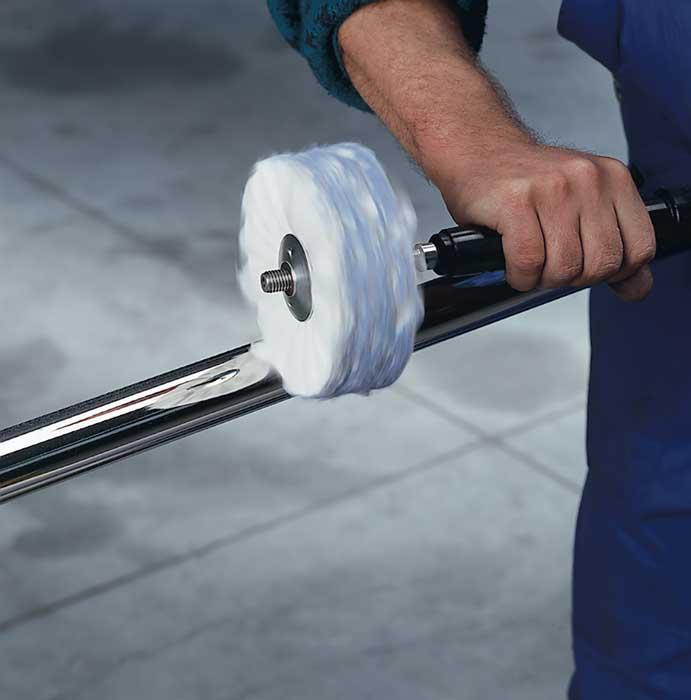
These stations focus on aesthetics and precision:
- Grinding machines
- Polishing tools
- Surface treatment equipment
3. Inspection and Testing Area
This is where quality is verified:
- Dimensional measurement tools
- X-ray or ultrasonic testing
- Visual inspection benches
How the Back Casting Room Improves Profit Margins
Let’s get real—this isn’t just about engineering. It’s about money.
If you’re running or planning a product-based business, especially in manufacturing or private labeling, this is where profit is protected.
Reduced Waste = Higher Margins
Throwing away defective casts is expensive. Reworking them:
- Saves raw materials
- Cuts procurement costs
- Reduces environmental impact
Faster Turnaround Times
Instead of restarting production, defects are fixed immediately. That means:
- Shorter lead times
- Faster delivery
- Better customer satisfaction
Competitive Advantage
Companies that master this process deliver:
- More consistent products
- Lower defect rates
- Better brand reputation
Designing an Efficient Back Casting Room
Most setups fail because they’re designed poorly. If your layout is inefficient, your workflow suffers.
Layout Principles That Actually Work
- Separate workflow zones – Keep inspection, finishing, and recasting areas distinct
- Minimize movement – Workers shouldn’t walk unnecessary distances
- Ensure ventilation – Heat and fumes are real hazards
- Maintain accessibility – Equipment should be easy to operate and maintain
Equipment Placement Strategy
Bad placement kills productivity. Good placement:
- Reduces handling time
- Improves safety
- Enhances workflow speed
Common Mistakes That Destroy Efficiency
Let’s be blunt—most businesses mess this up.
Overcrowding the Space
Trying to fit too much equipment into a small area leads to:
- Slower workflow
- Increased accidents
- Reduced efficiency
Ignoring Skilled Labor
Machines don’t fix everything. Skilled workers are essential for:
- Precision corrections
- Quality judgment
- Process optimization
No Standard Operating Procedures
Without SOPs, you get:
- Inconsistent results
- Higher error rates
- Training issues
Back Casting Room vs Main Casting Area
Understanding the difference helps you avoid confusion and poor planning.
Main Casting Area
- Handles initial mold pouring
- Focuses on volume production
- Operates continuously
Back Casting Room
- Handles corrections and finishing
- Focuses on precision
- Operates selectively
Think of it like this: one produces, the other perfects.
Industries That Depend on Back Casting Rooms
This isn’t limited to heavy manufacturing.
Key Industries
- Automotive manufacturing
- Aerospace engineering
- Jewelry production
- Medical device manufacturing
- Industrial machinery
If precision matters—and it always does—this setup is non-negotiable.
Cost vs Value: Is It Worth Investing?
Short answer: yes. But only if done right.
Initial Costs
- Equipment investment
- Space allocation
- Skilled labor
Long-Term Returns
- Reduced waste
- Better quality control
- Increased customer trust
If you’re cutting corners here, you’re sabotaging your own business.
FAQ
Frequently Asked Questions
What is the main purpose of a back casting room?
It exists to correct defects, refine products, and ensure final output meets quality standards.
Is a back casting room necessary for small businesses?
If you’re producing physical products at scale, skipping it is a mistake. Even small setups benefit from it.
How does it reduce production costs?
By reworking defective items instead of discarding them, saving both materials and time.
What skills are required to operate it?
Workers need technical knowledge, attention to detail, and experience with casting processes.
Can automation replace manual work in this room?
Partially. Machines help, but human judgment is still critical for precision corrections.
How much space is needed for a back casting room?
It depends on production scale, but cramped spaces lead to inefficiency—don’t underestimate space requirements.
What materials are commonly handled?
Metals like aluminum, steel, bronze, and sometimes specialized alloys.
How often is it used in production cycles?
Continuously in high-volume operations and as needed in smaller setups.
Conclusion
A back casting room isn’t just an optional add-on—it’s a strategic asset. If you’re serious about product quality, cost control, and scalability, ignoring it is a bad decision.
Most businesses focus on production speed but forget about correction efficiency. That’s where they lose money and reputation. The companies that win are the ones that build systems to fix problems fast, not just create products fast.
If you’re operating in manufacturing or planning to scale a product-based business, take this seriously. A well-designed back casting room can be the difference between average results and a high-performing operation that actually competes in the market.